“Fall seven times, get up eight” — Japanese Proverb
Hello! My first post regarding our Japan Trip can be found here: Mari-Alina Timoshchuk’s Trip to Tokyo. There I discuss our stay in the Shinjuku district, Nintendo store, trip to Kaneiji Temple, visit to Hachiko the Good Boy Dog Statue, and our visit to one of the busiest stations in the world: Shibuya station.

In this blog post I wanted to cover some of the other highlights of our Tokyo trip including a trip to the beautiful Imperial Palace East Gardens, our stay at the Imperial hotel, and the darling Studio Ghibli museum.
Imperial Palace East Gardens:
The Imperial Palace East Gardens (皇居東御苑, Kōkyo Higashi Gyoen) are part of the inner palace area and open to the public. They are the former side of Edo Castle’s innermost cicles of defense, the honmaru (“main cicle”) and ninomaru (“secondary circle”). None of the main buildings remain today, but the moats, walls, entrance gates and several guardhouses still exist. The Otemon entrance to the East Gardens is a short walk from Otemachi Station on the Chiyoda, Tozai, Marunouchi, and Mita subway lines. It can also be reached in a 10–15 minute walk from Tokyo station.
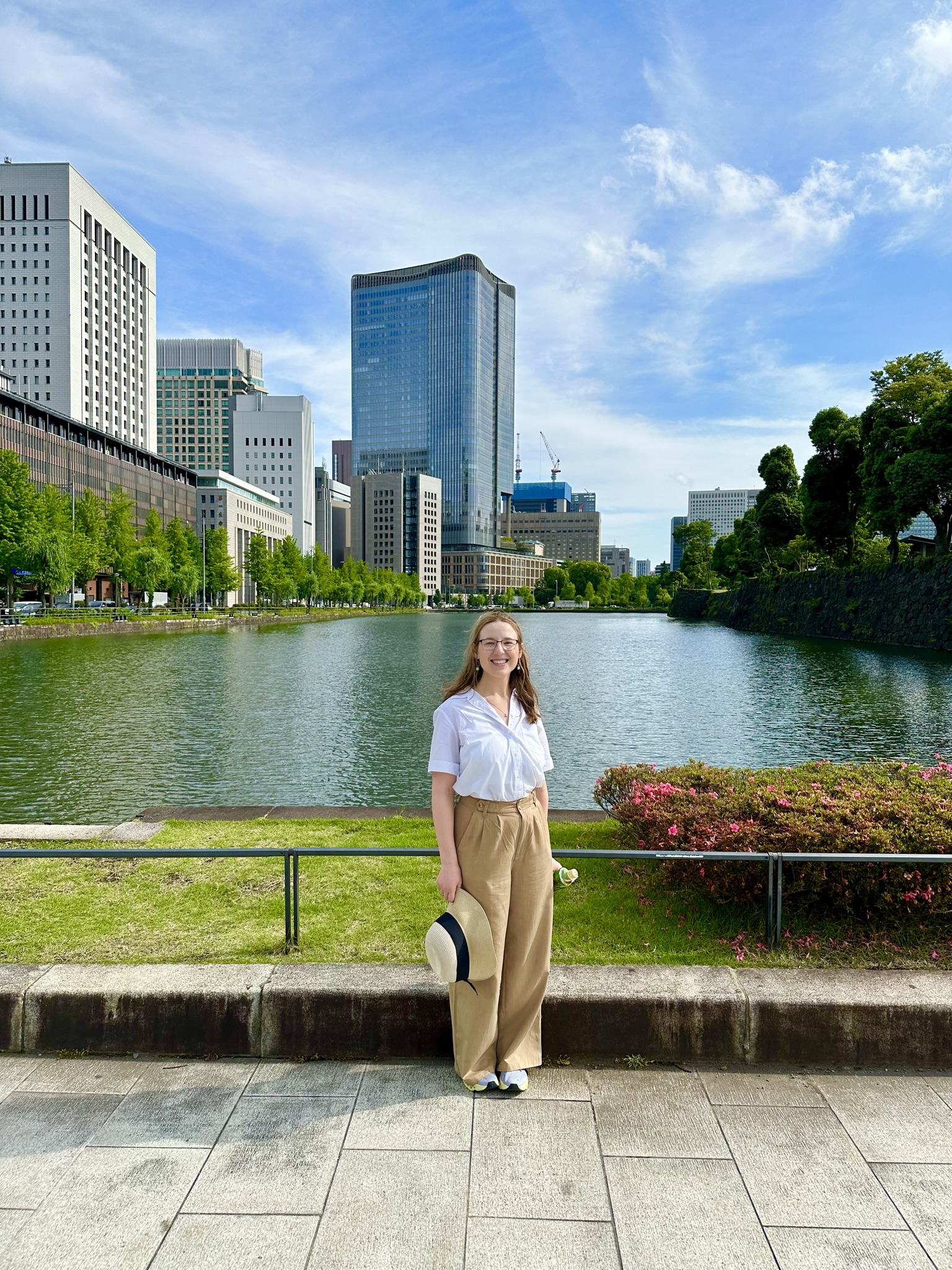
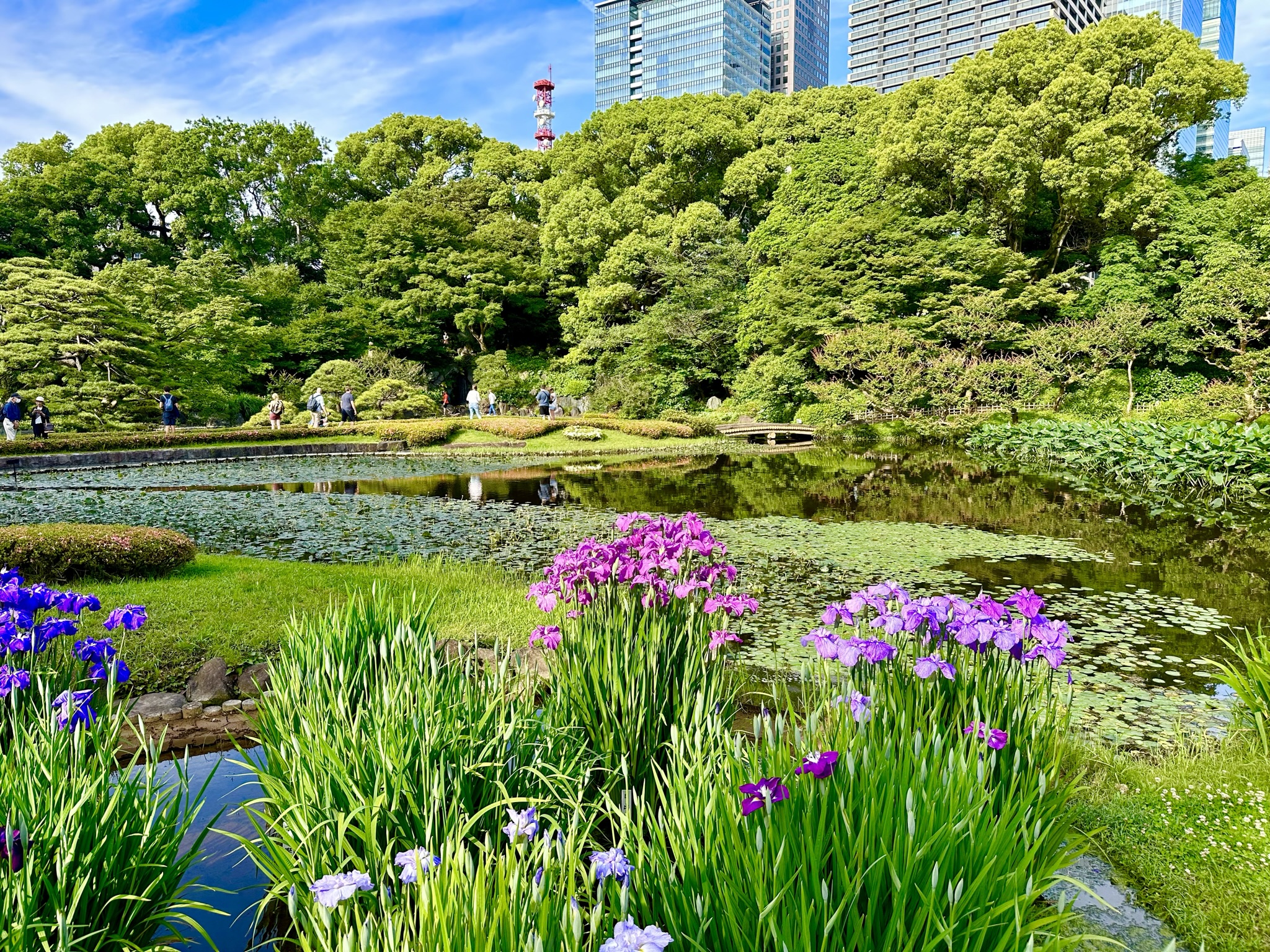
Edo Castle was the residence of the Tokugawa shogun who ruled Jaan from 1603 to 1867. Emperor Meiji also resided there from 1868 to 1888 before moving to the newly constructed Imperial Palace.
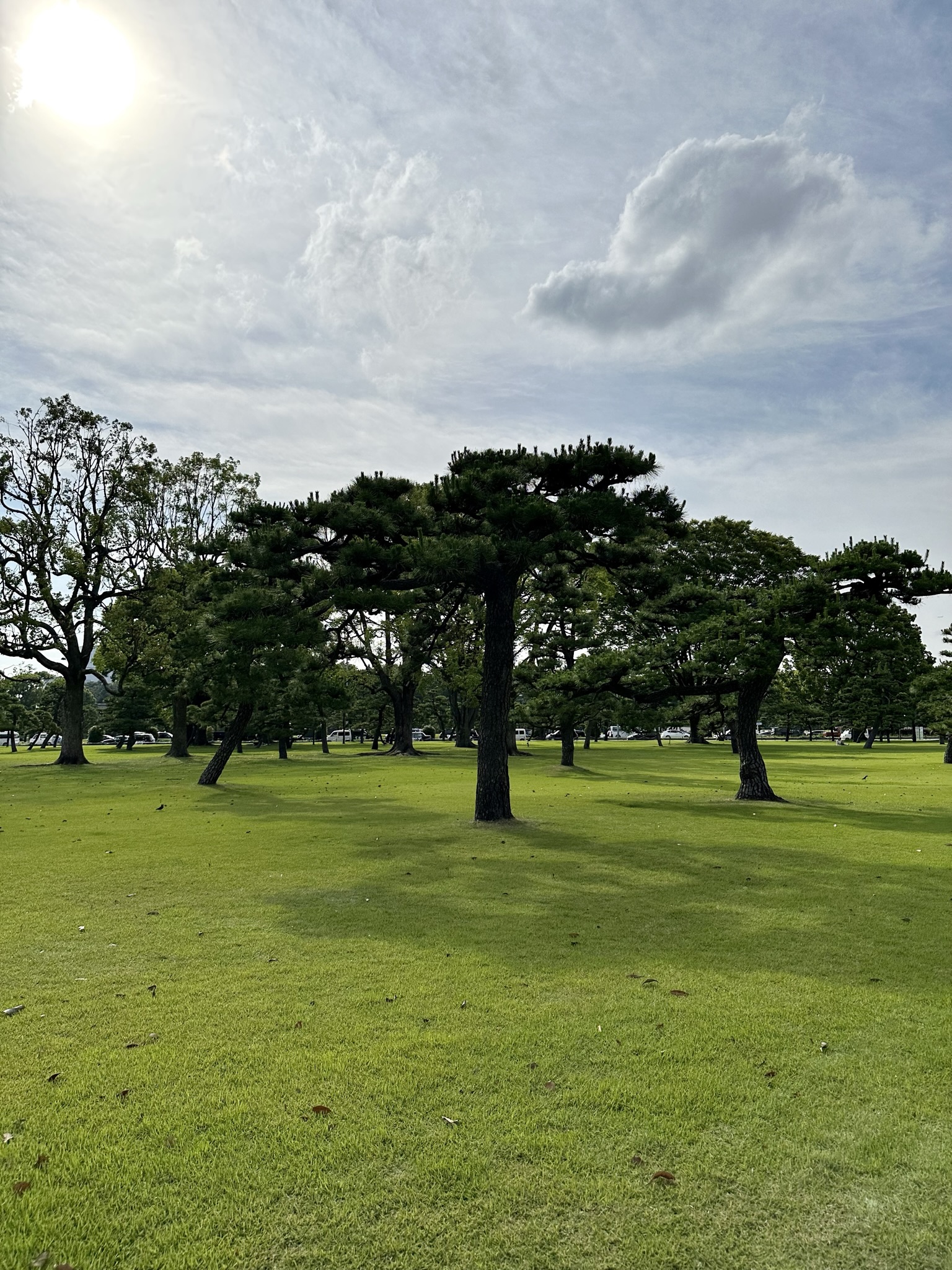
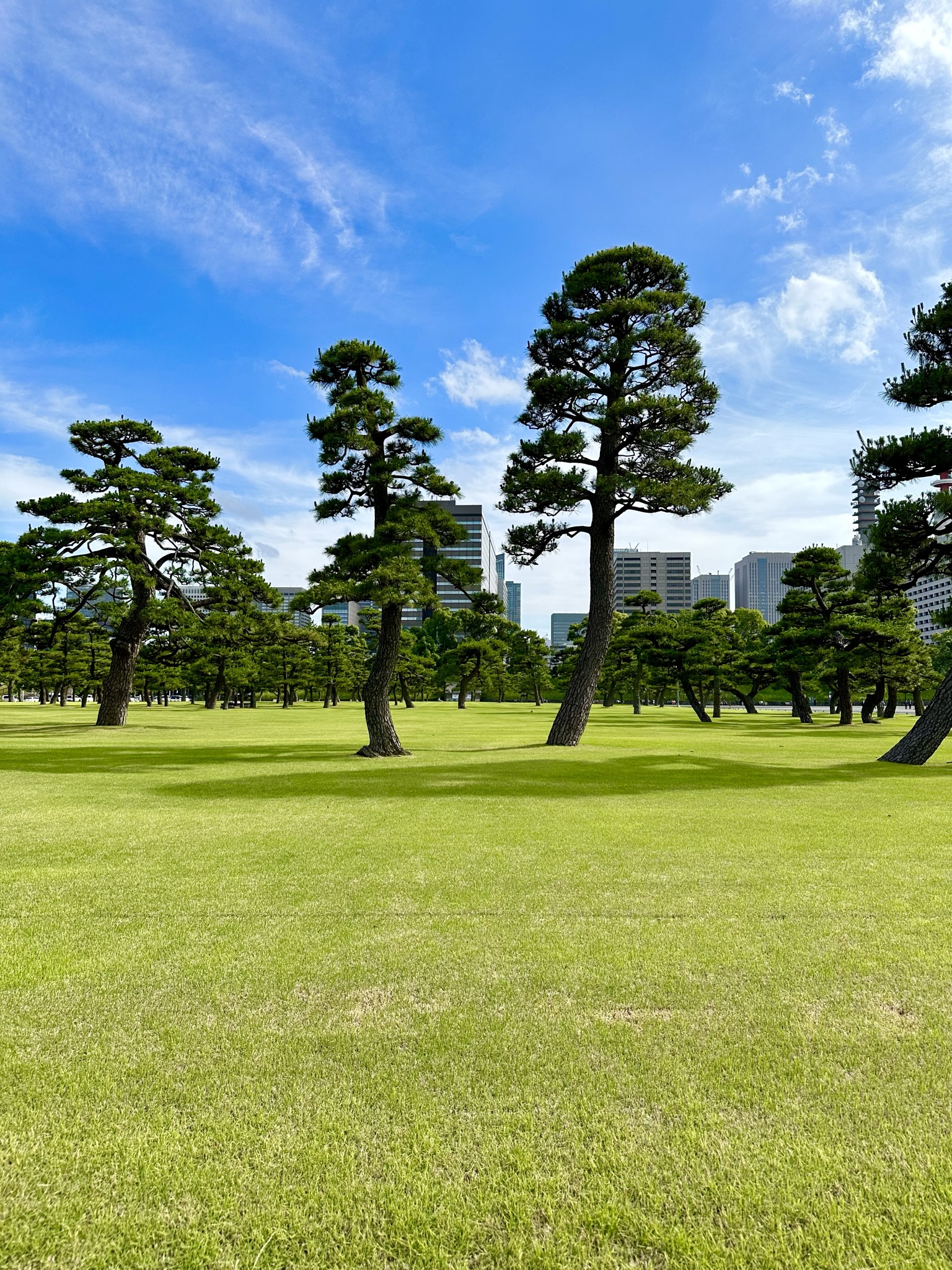
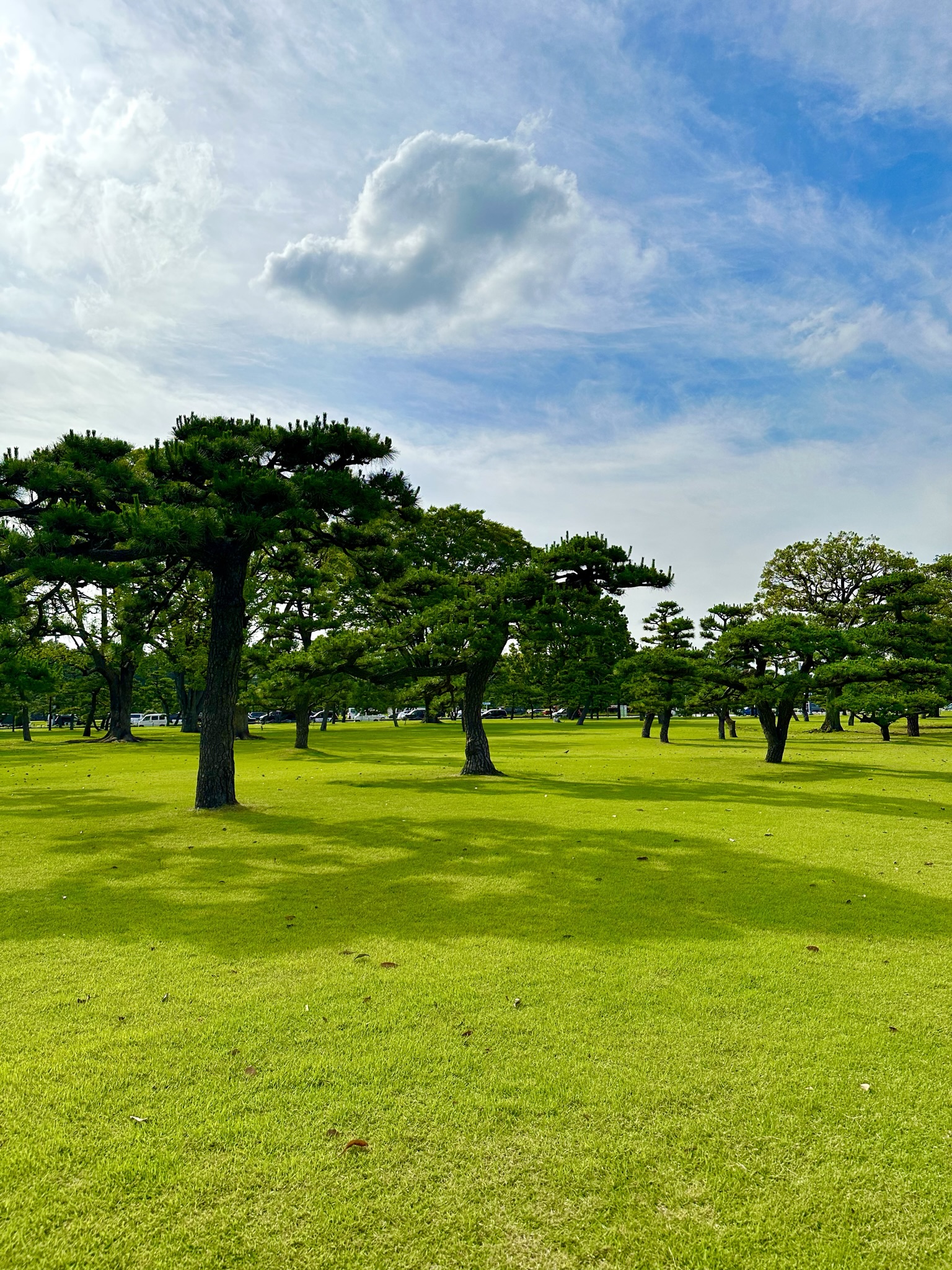
The building of the modern gardens began in 1961. The garden is over 210.000 square meters (2.3 million square feet). The garden was completed in 1968. It is free and open to the public unless needed for court purposes or public holidays. The Toukagakudo (Imperial Concert Hall) and Sannomaru Shozokan (Museum of the Imperial Collections), and other buildings housing the Imperial Household Agency’s Music, Archives, and Mausolea departments, are located within the gardens.
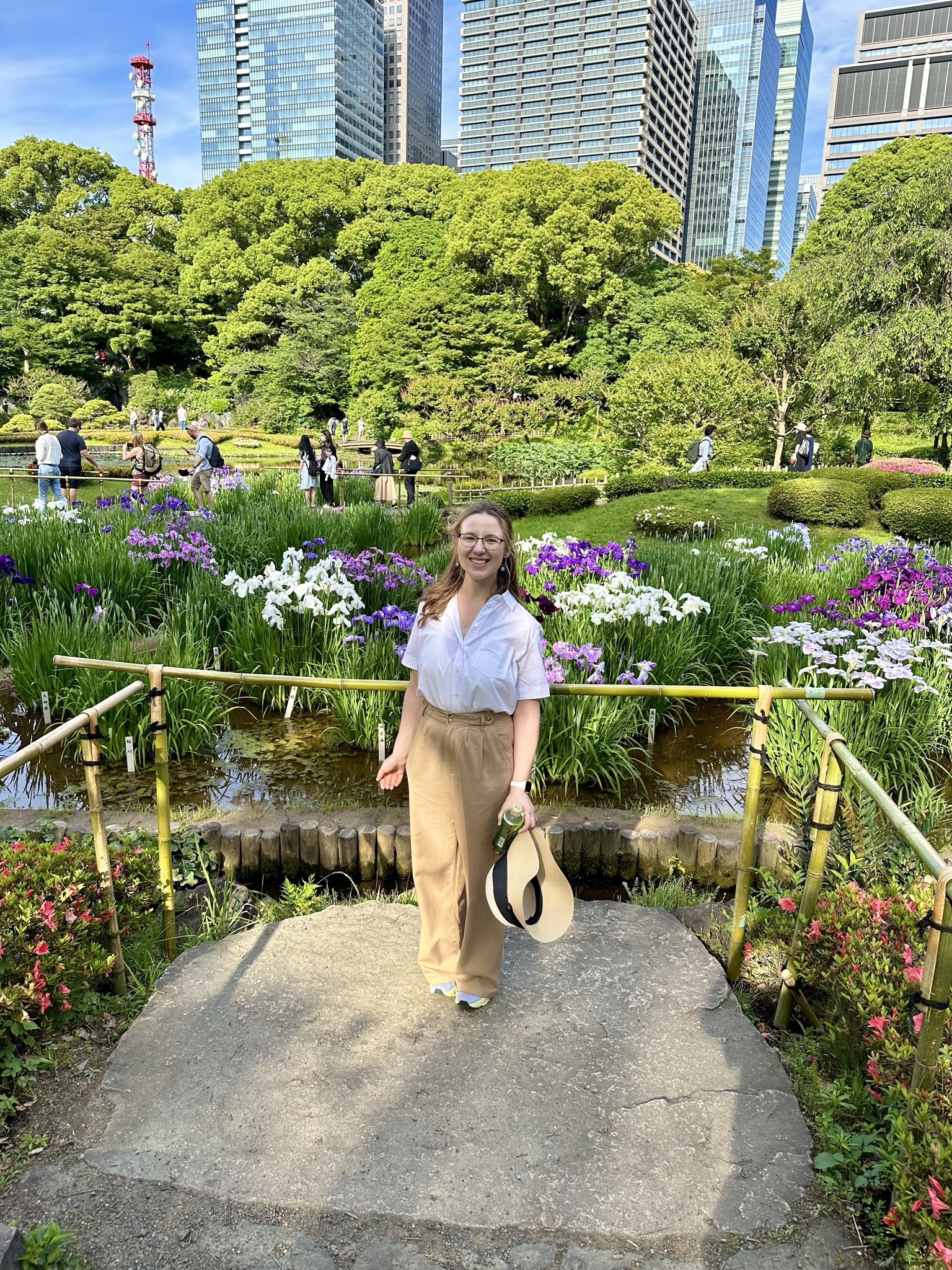
The Honmaru area includes the remains of the Edo castle’s main tower, and lawns, trees, and flowers. This was the luxurious innermost part of the palace and the shogun’s main residence. It was destroyed twice, in 1657 and again in 1863. The area was destryed by fire and reconstructed several times.
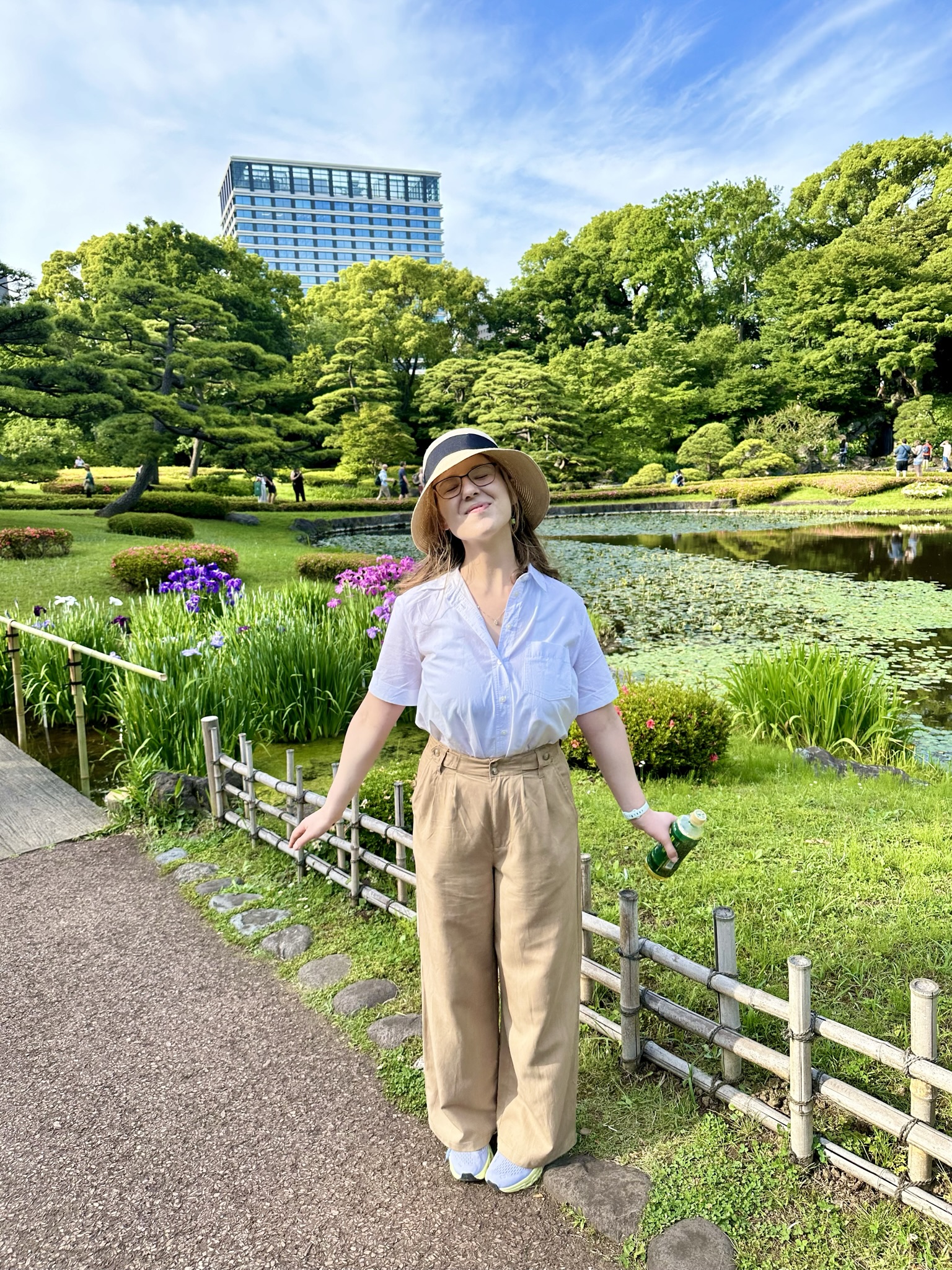
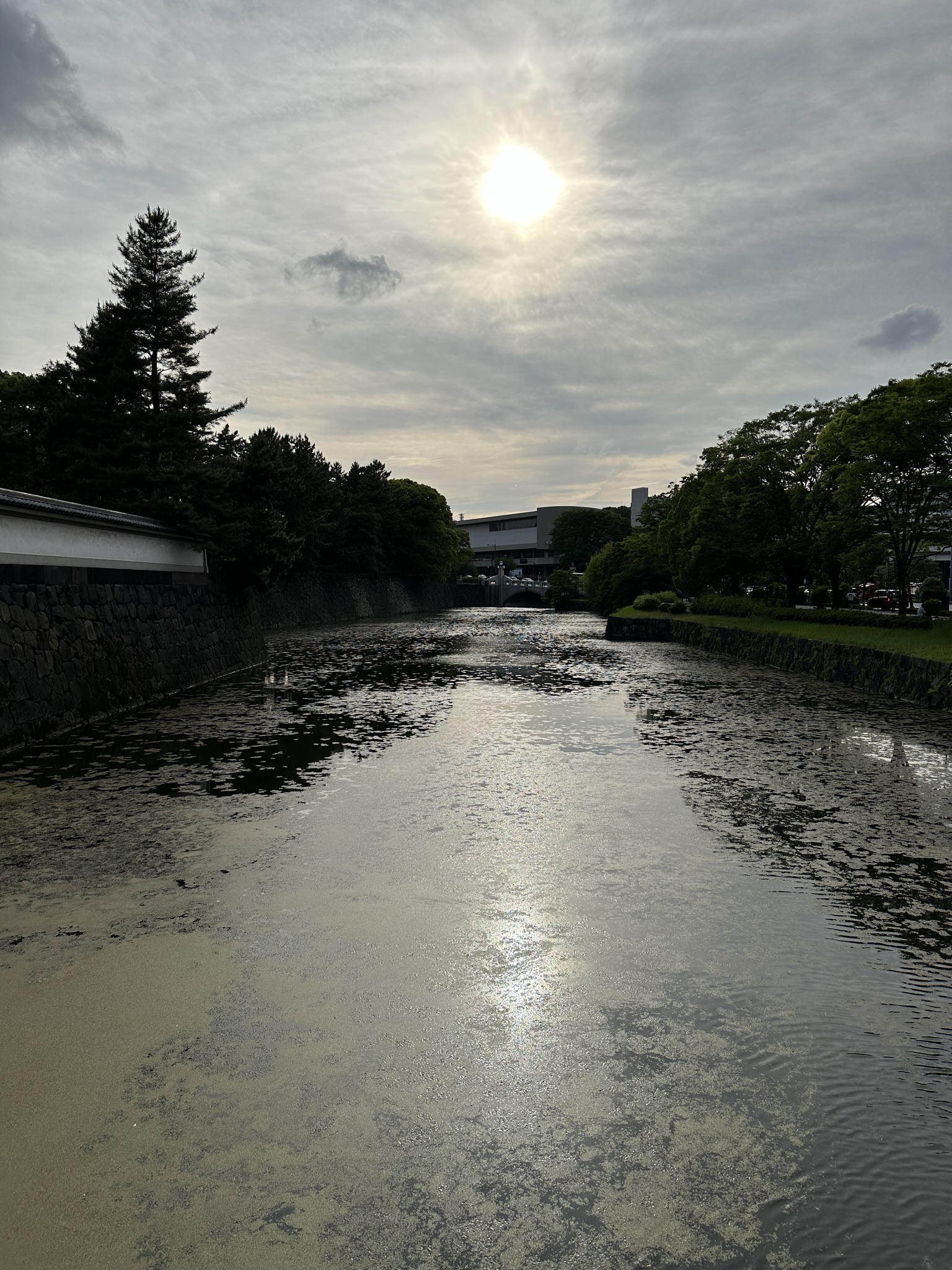
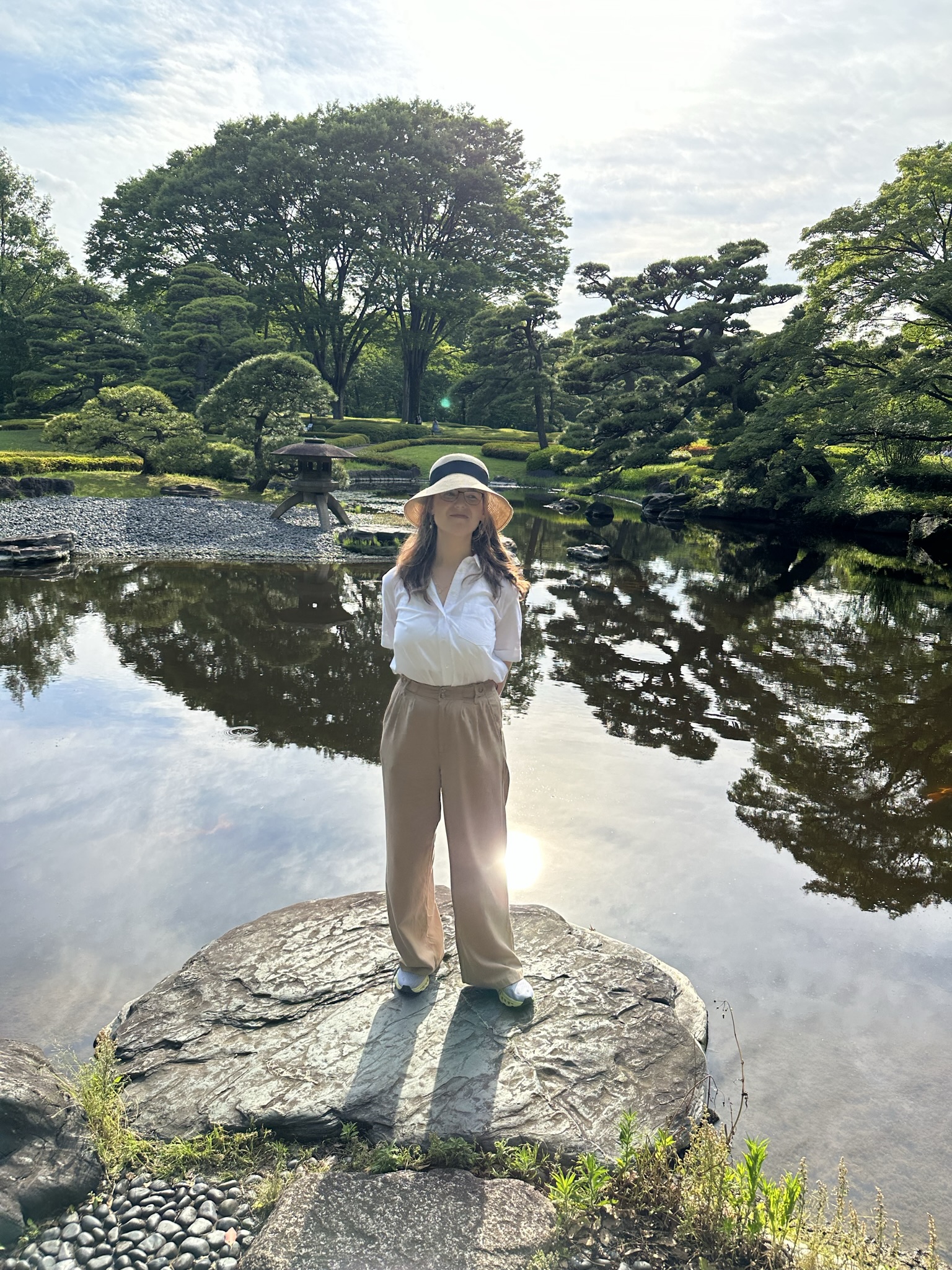
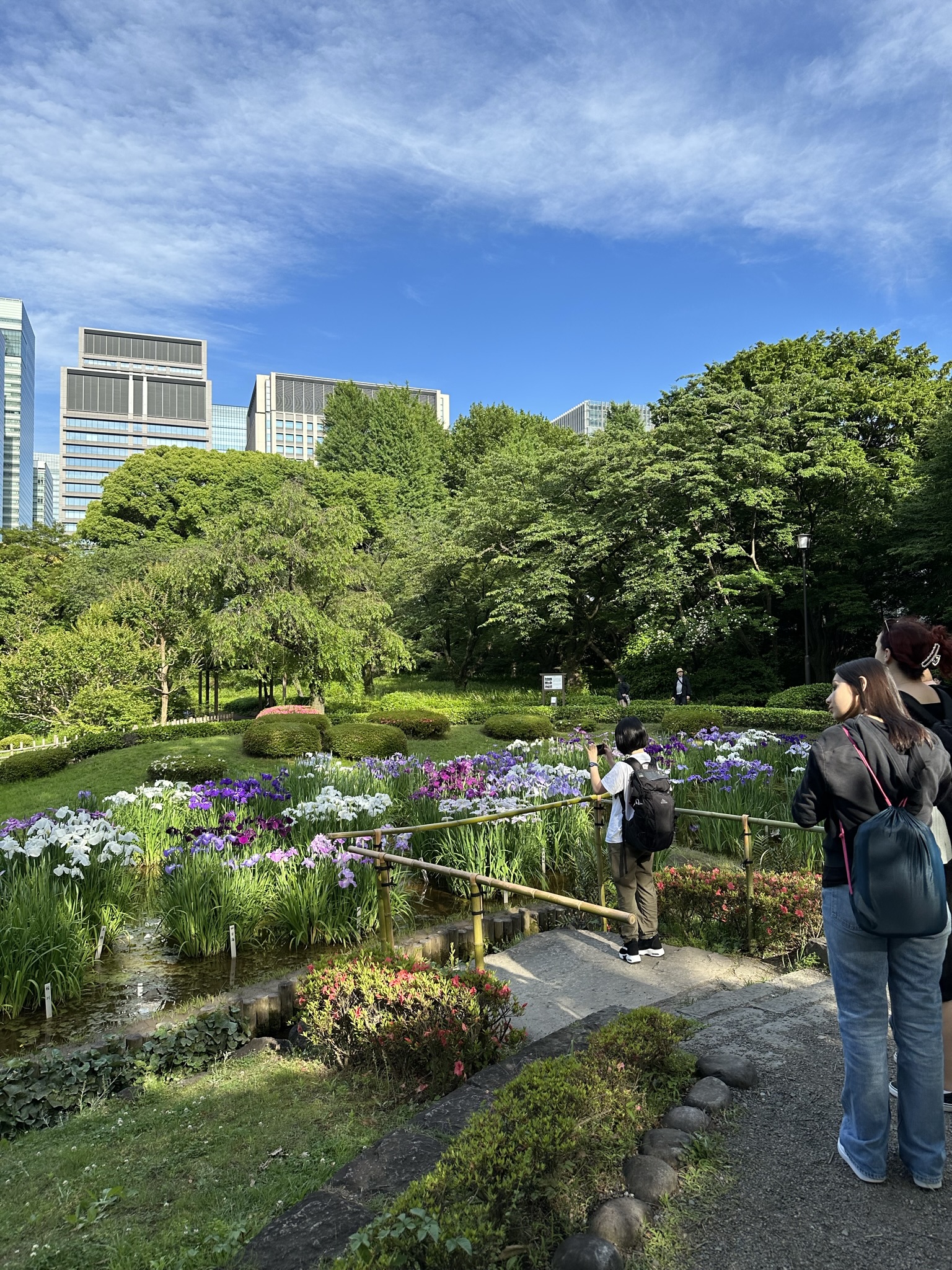
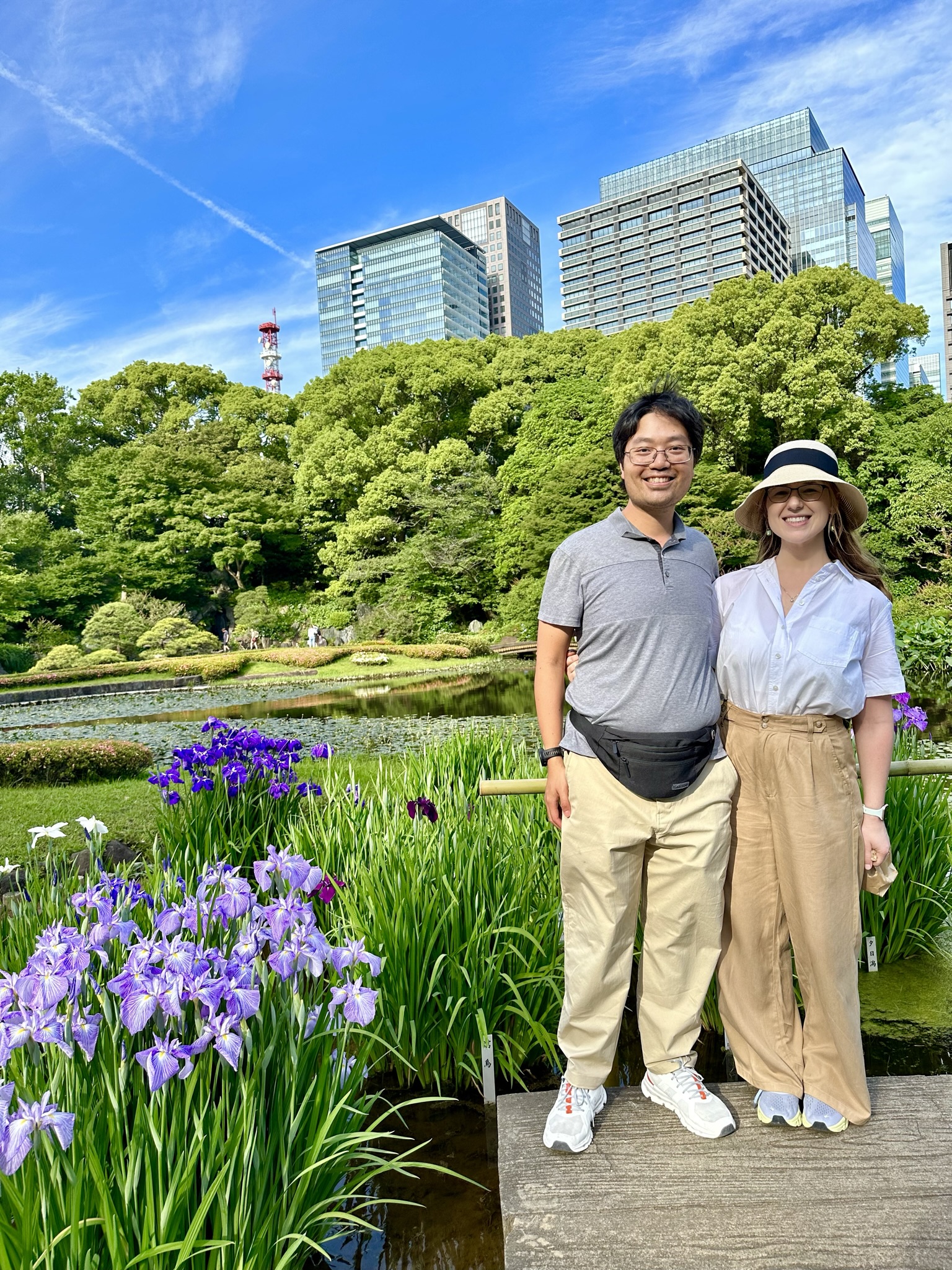
My favorite area of the gardens is the Ninomaru area which features trees representing all the prefectures of Japan. There is a slope called Bairin-zaka, the Ninomaru garden, Ninomaru grove, and an iris garden which is simply stunning. Under the Tokugawa Shogunate, the Ninomaru area was made as a place for heirs, and a palace for them to live. Several fires burn the palace and especially this area. There was attempts to rebuild it up until the Meiji area.
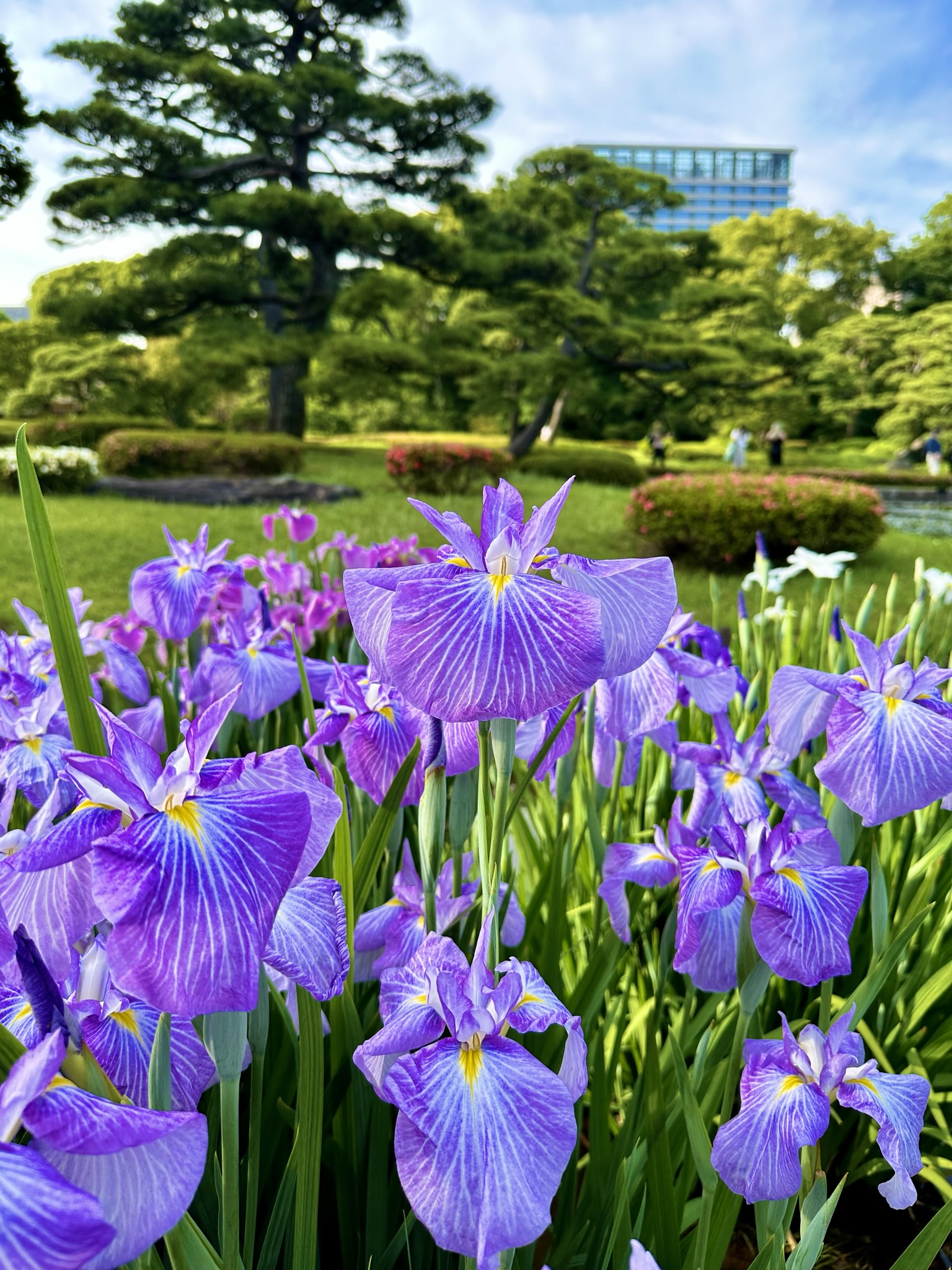
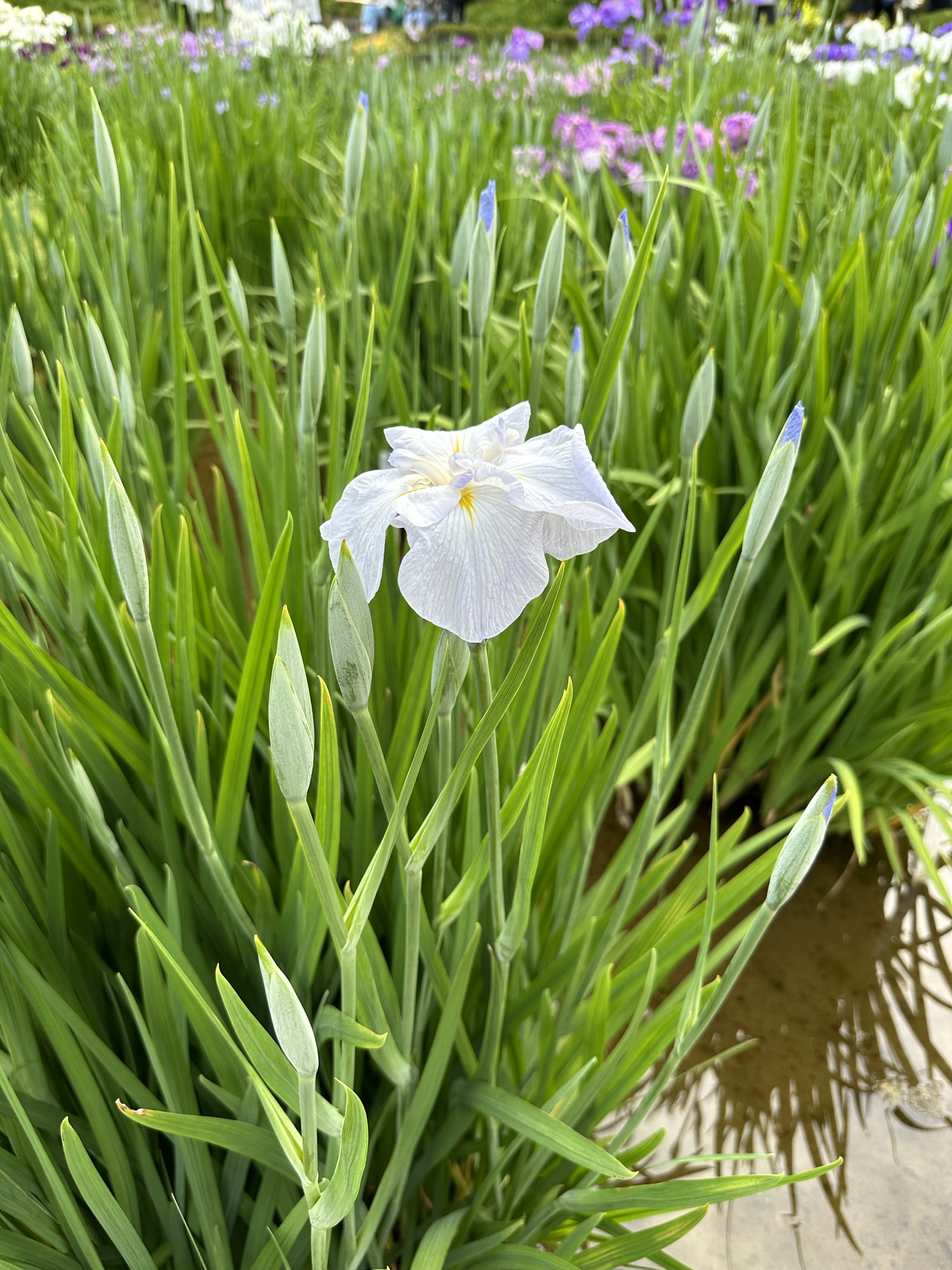
I highly recommend a morning stroll through these beautiful gardens. It’s amazing to have this bounty of nature in a place as busy and modern as Tokyo but it does feel like an escape from busy city life.
The Imperial Hotel:
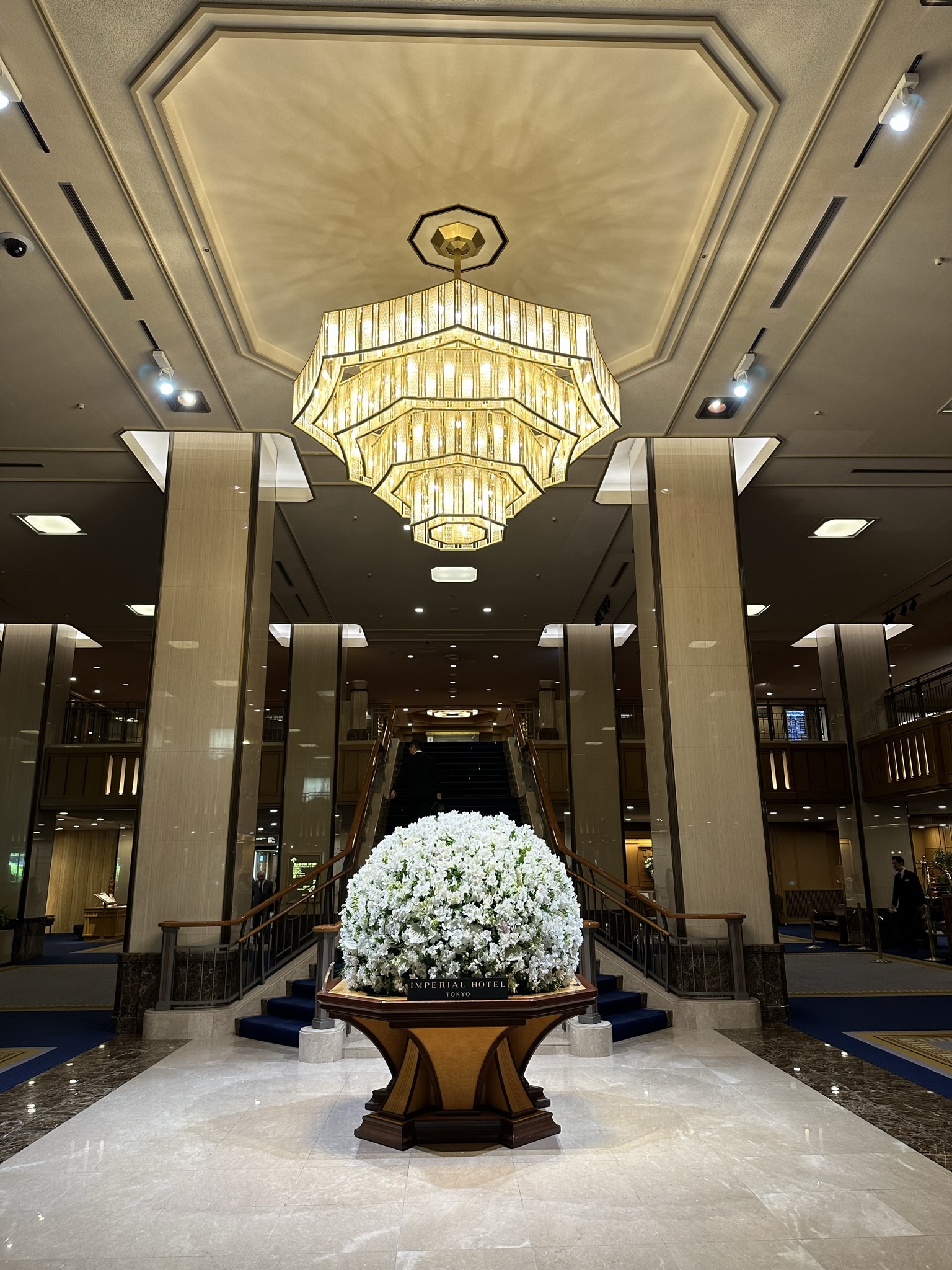
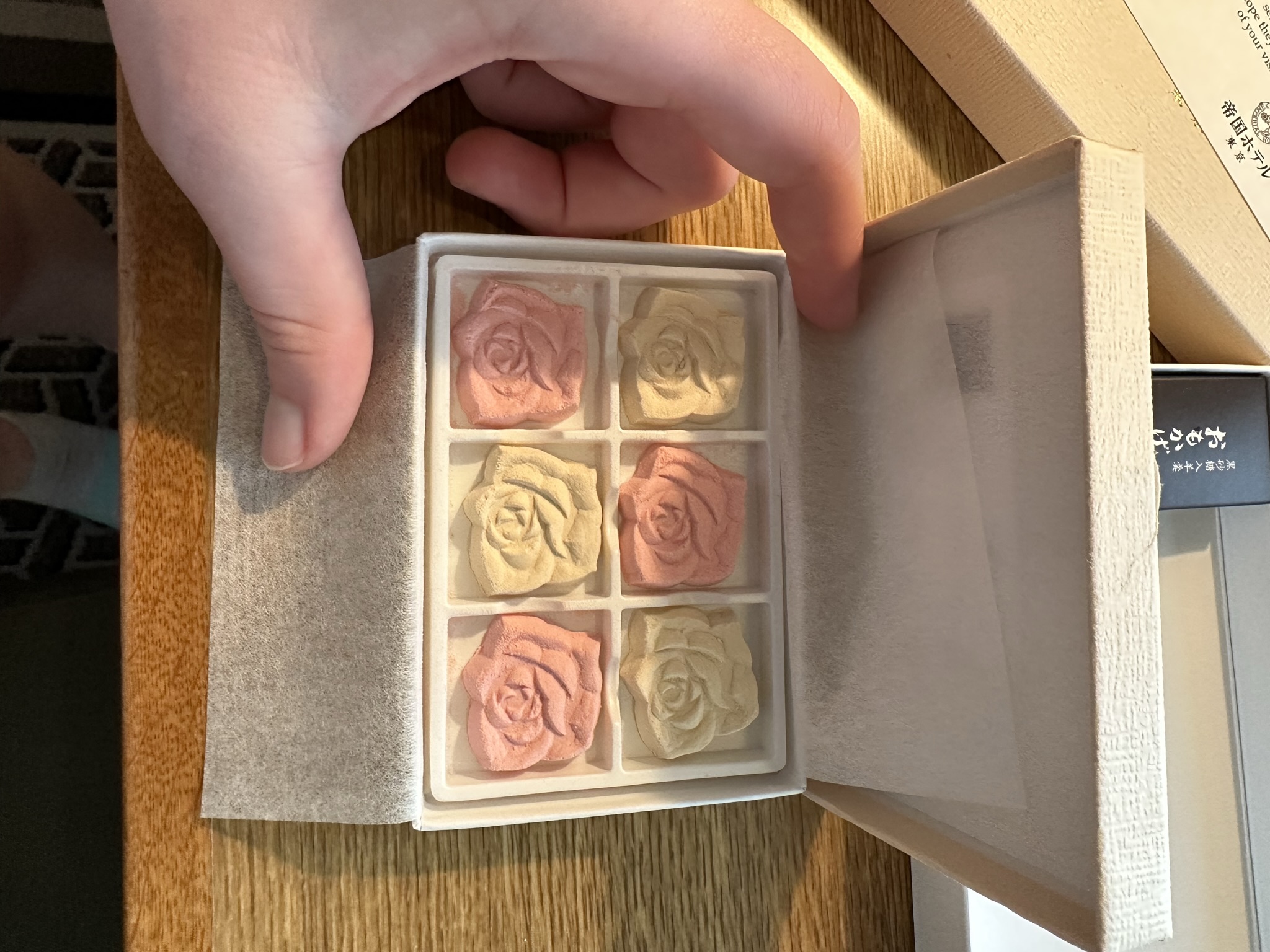
By far the best hotel we stayed at during our trip I would be remiss not to mention it. The service was absolutely exception and being there was like being able to enjoy a combination of a nod to the history while also showcasing a plethora of modern desigeners and artists.
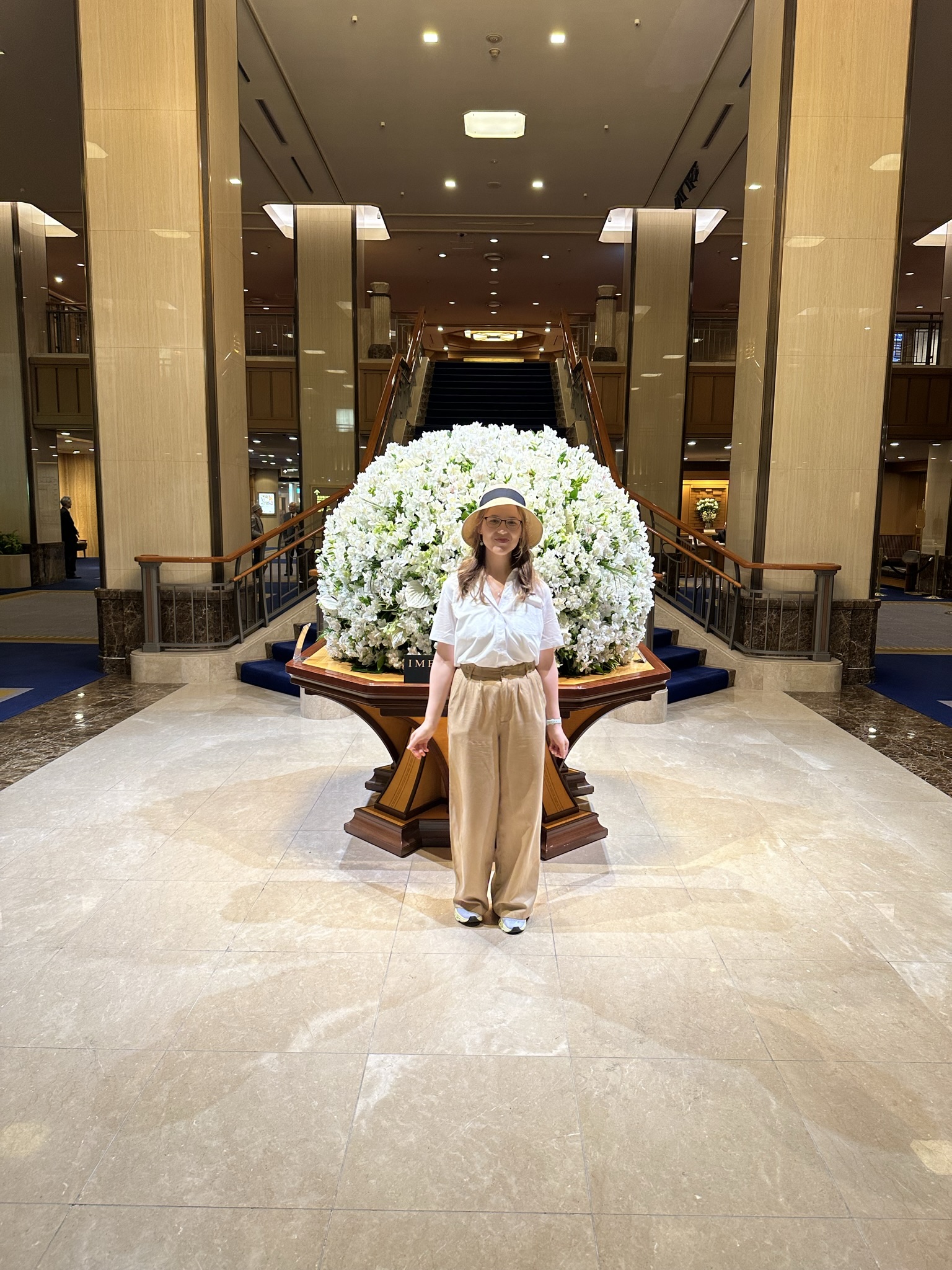
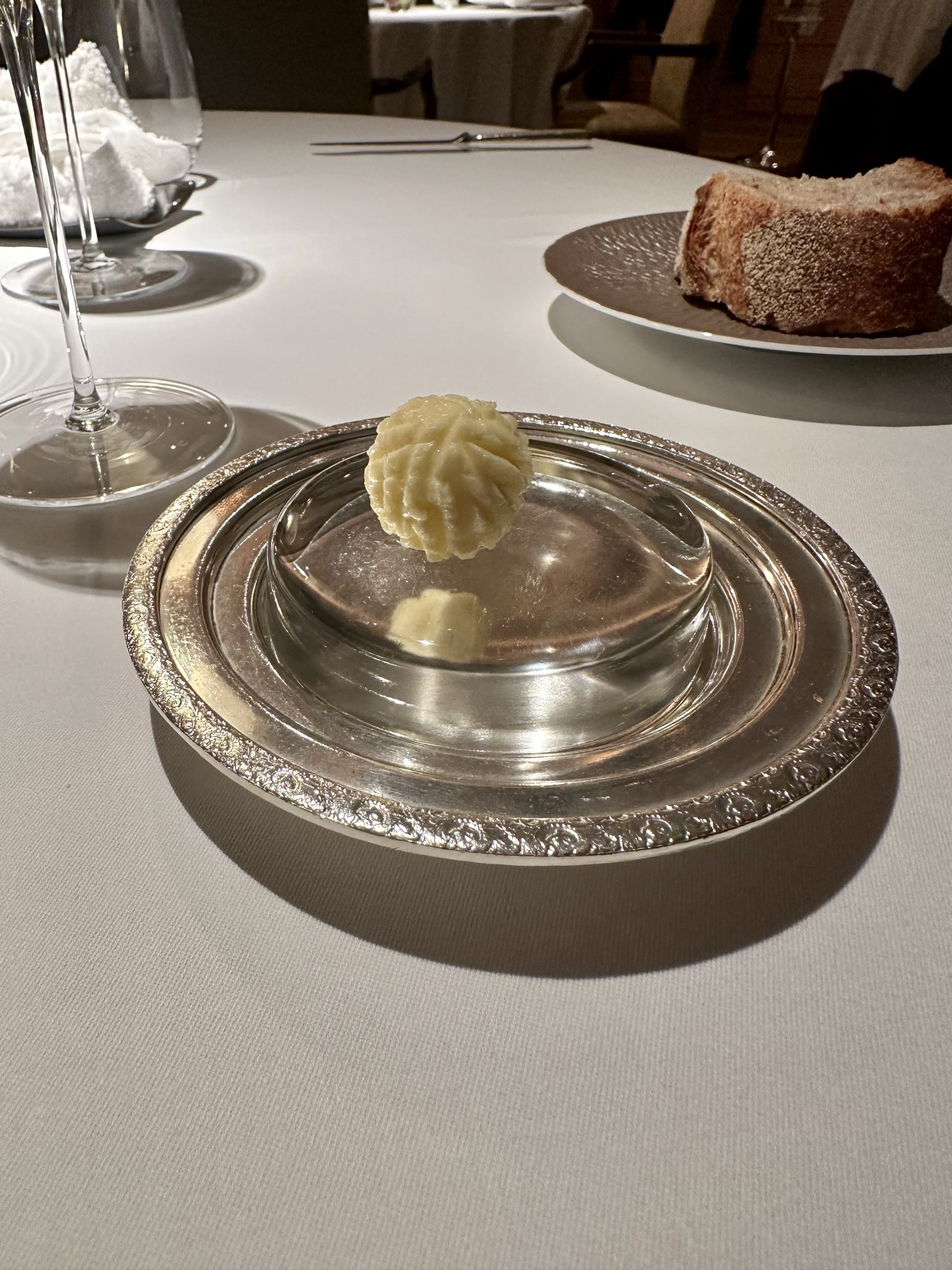
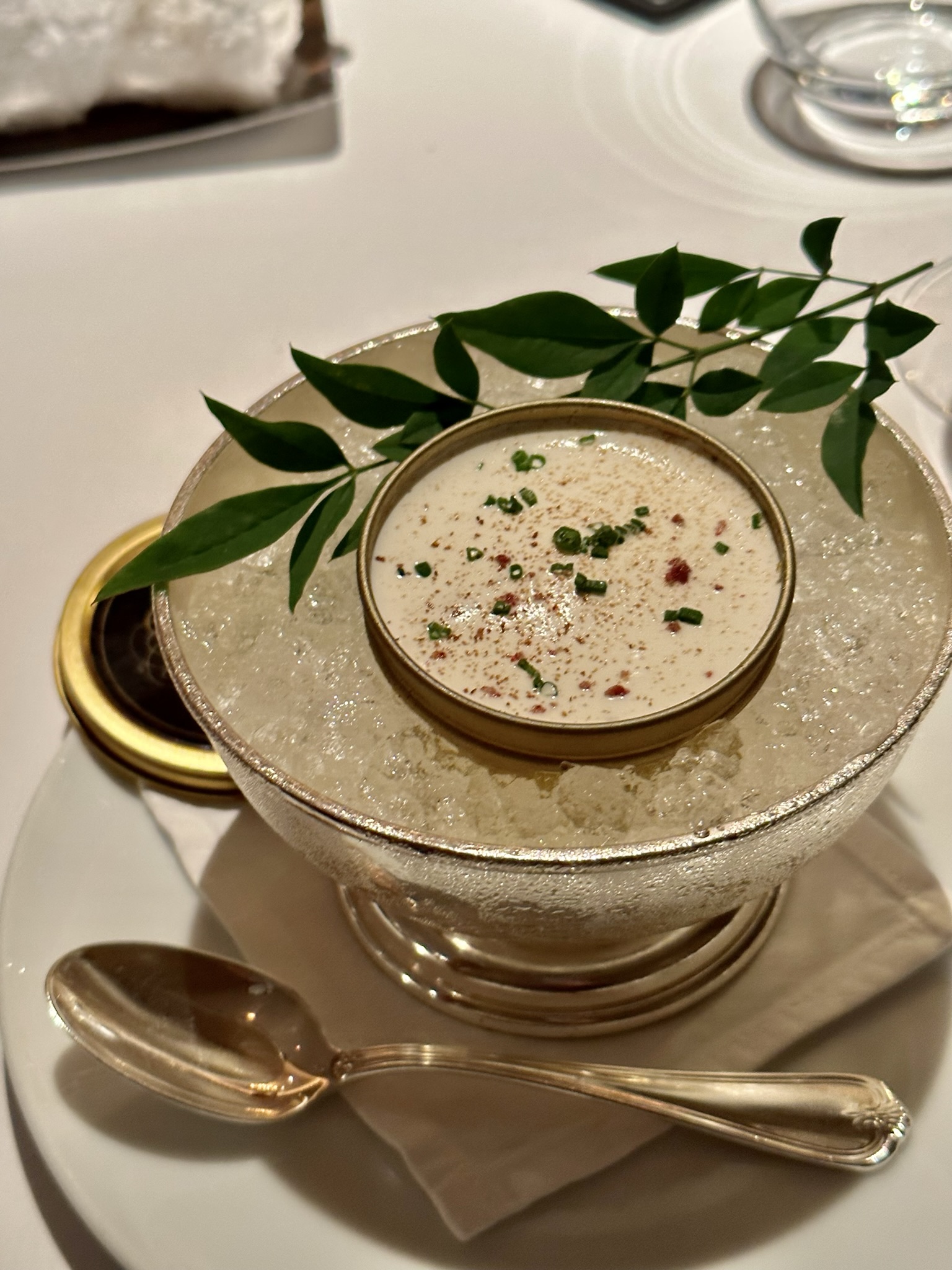
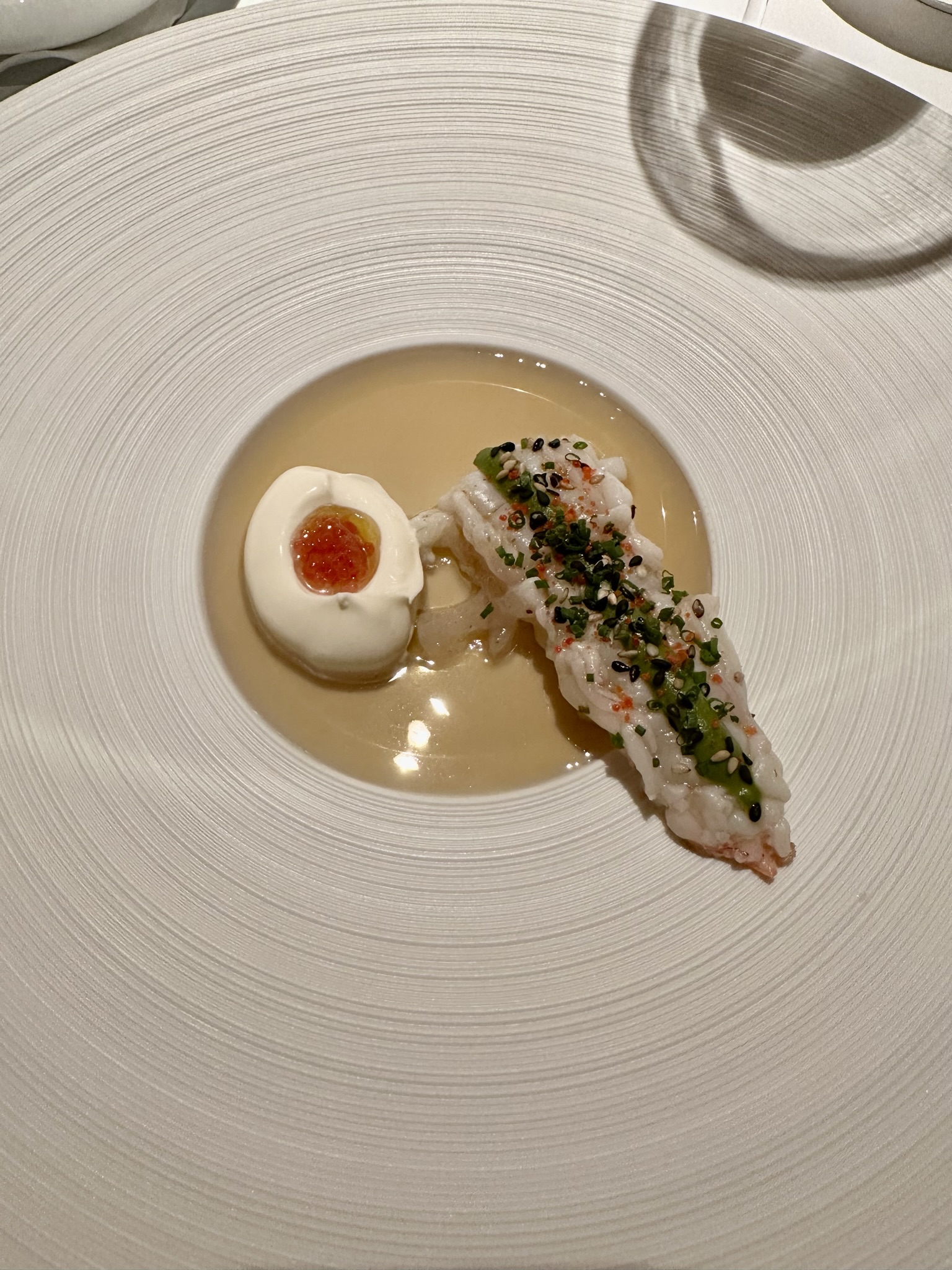
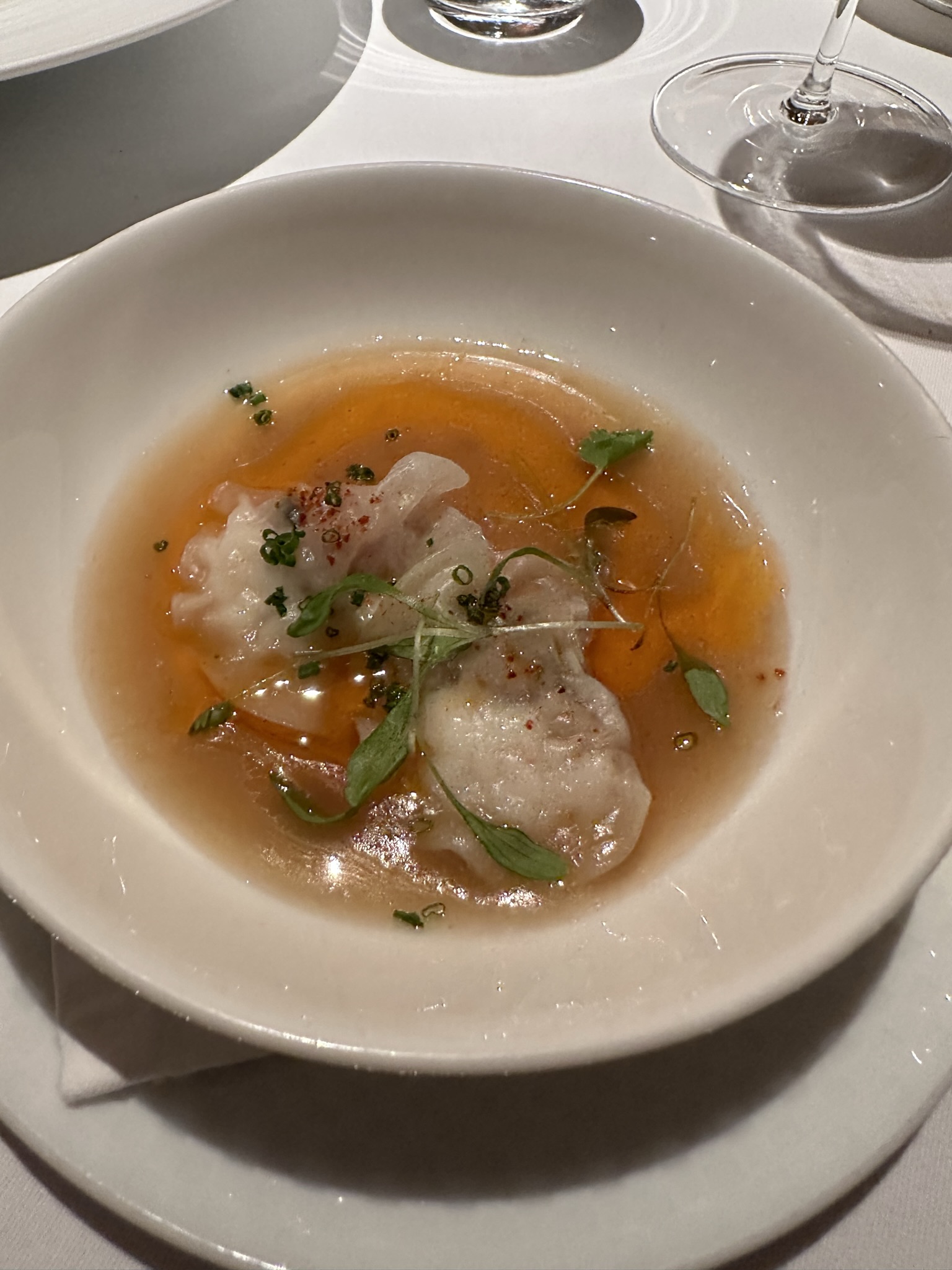
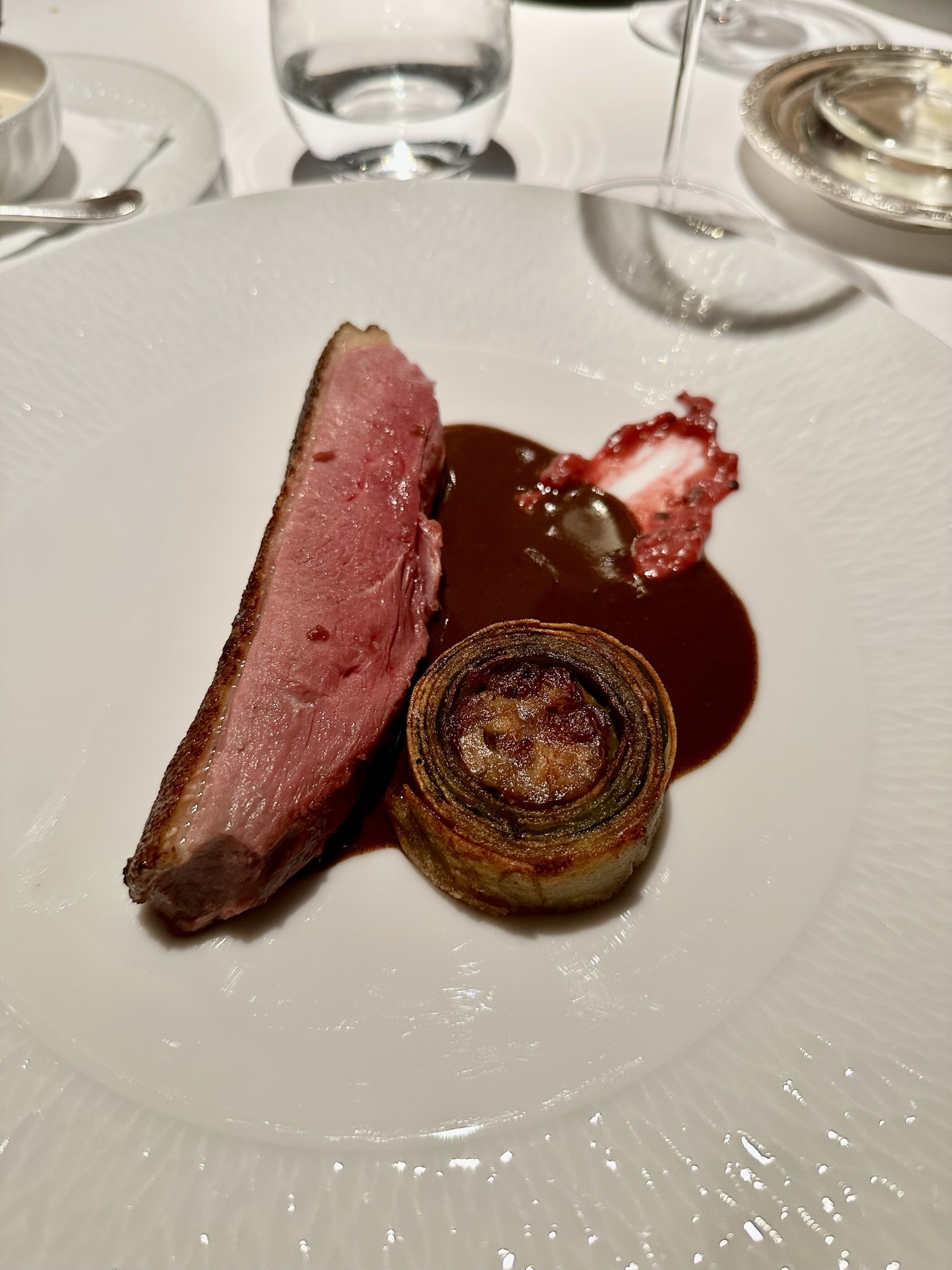
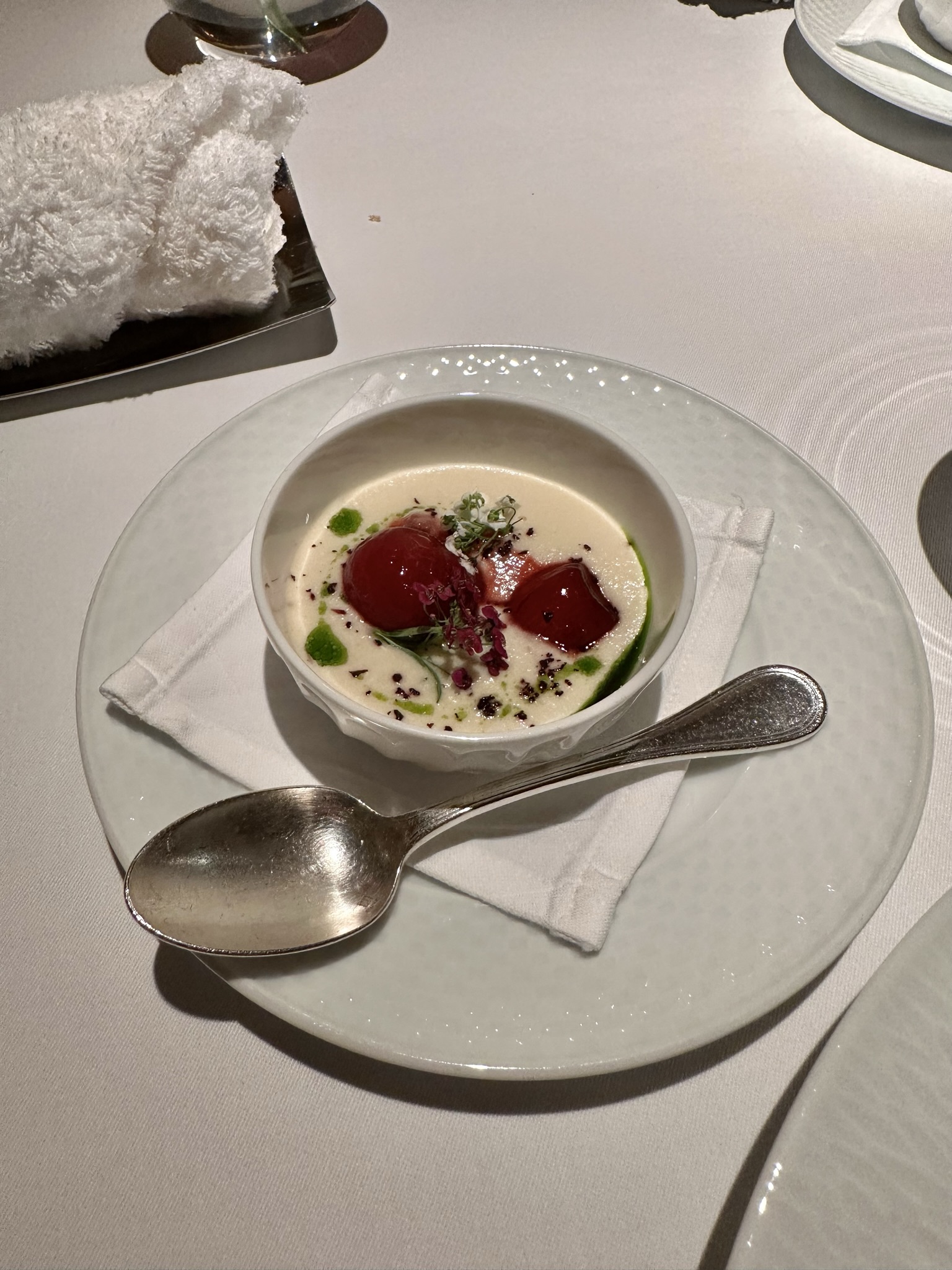
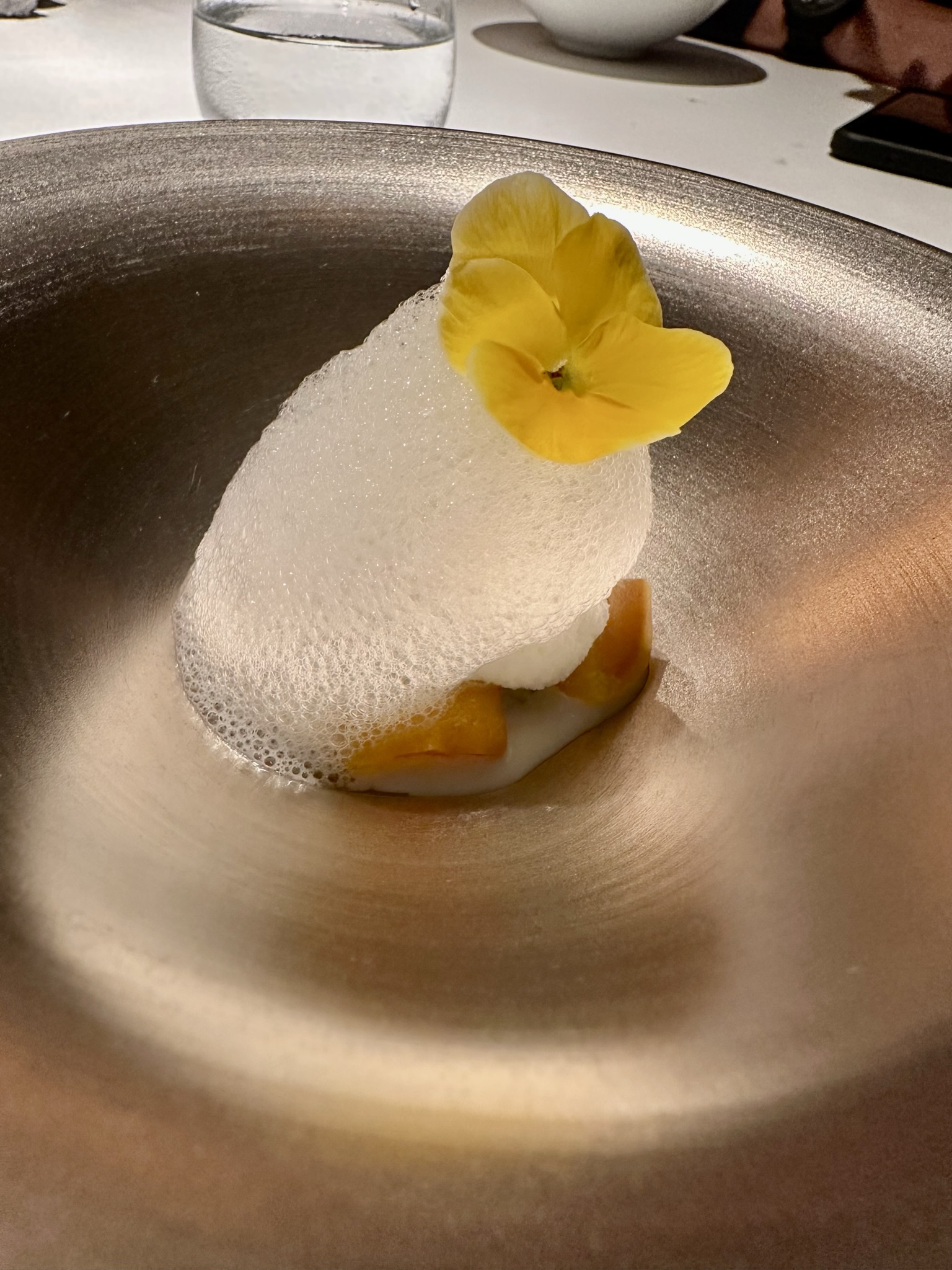
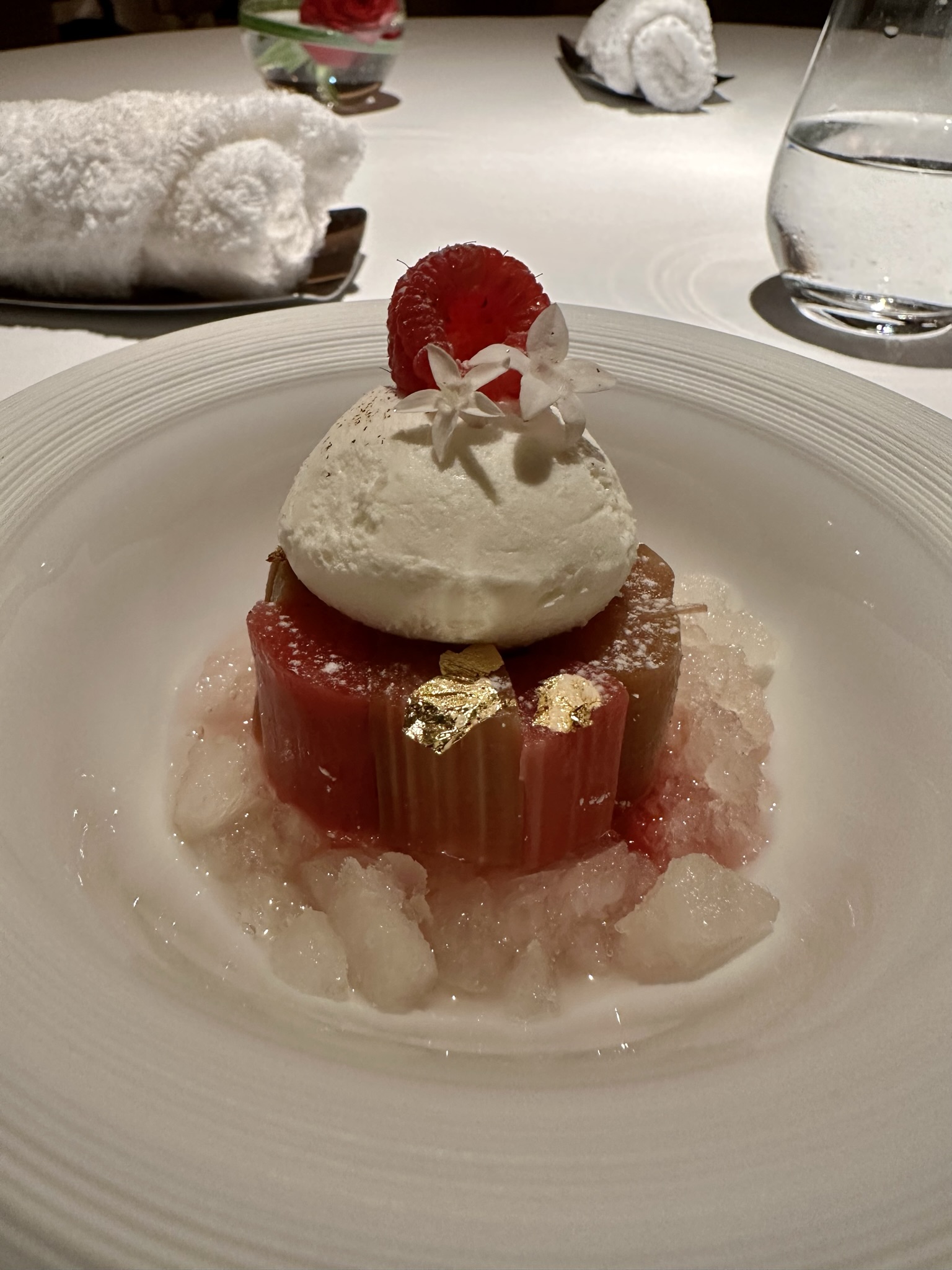
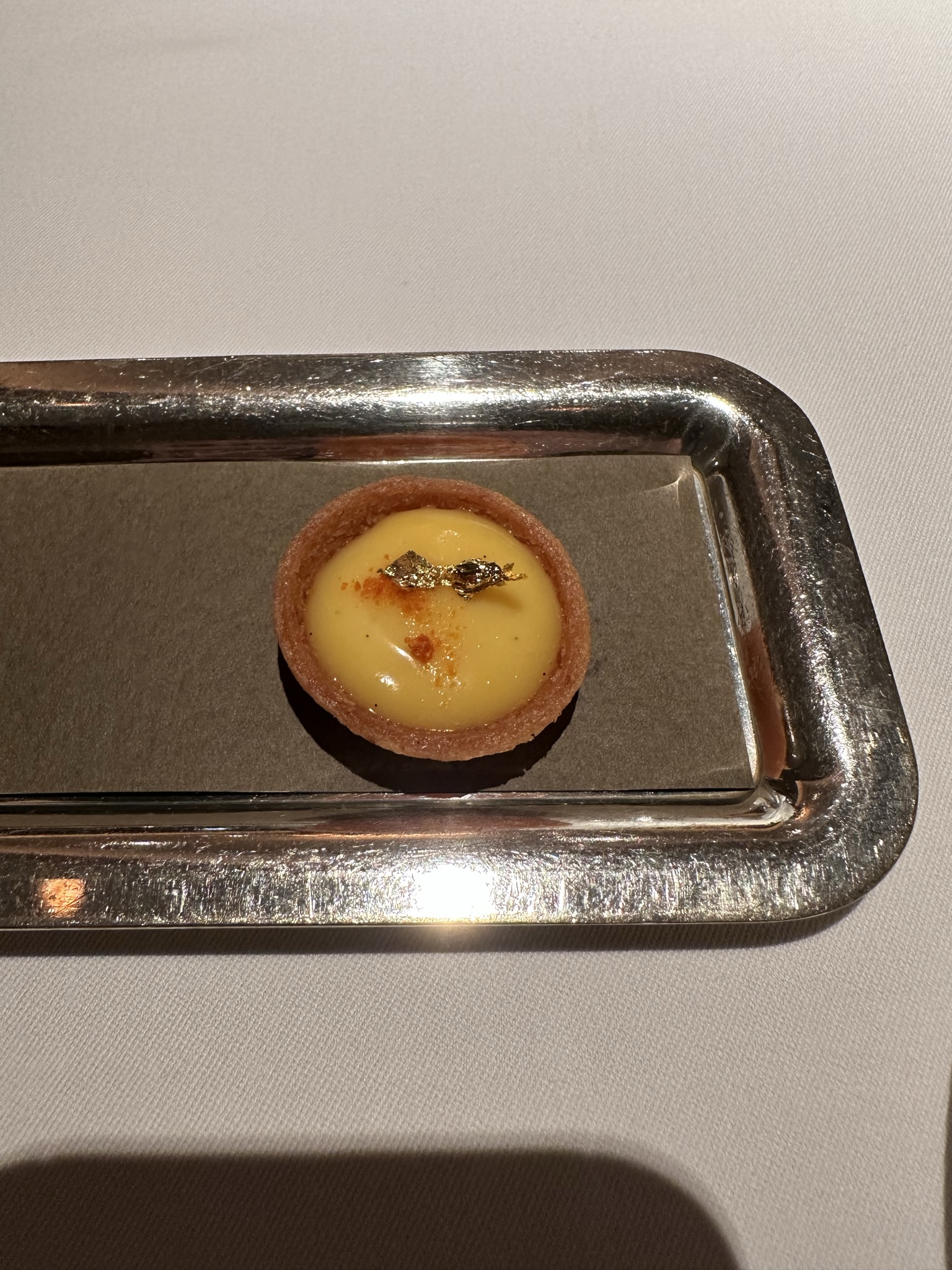
There was also a number of incredible dining options in the hotel one being a highly acclaimed French resteraunt. While I typically don’t travel to Japan from French food, this was some of the most exquisite French food I’ve ever had and the presentation of all the dishes made us feel like we were eating small works of art. I particularly liked seeing the head chef come out to sign one of the diners cooking books who was a big fan of his.
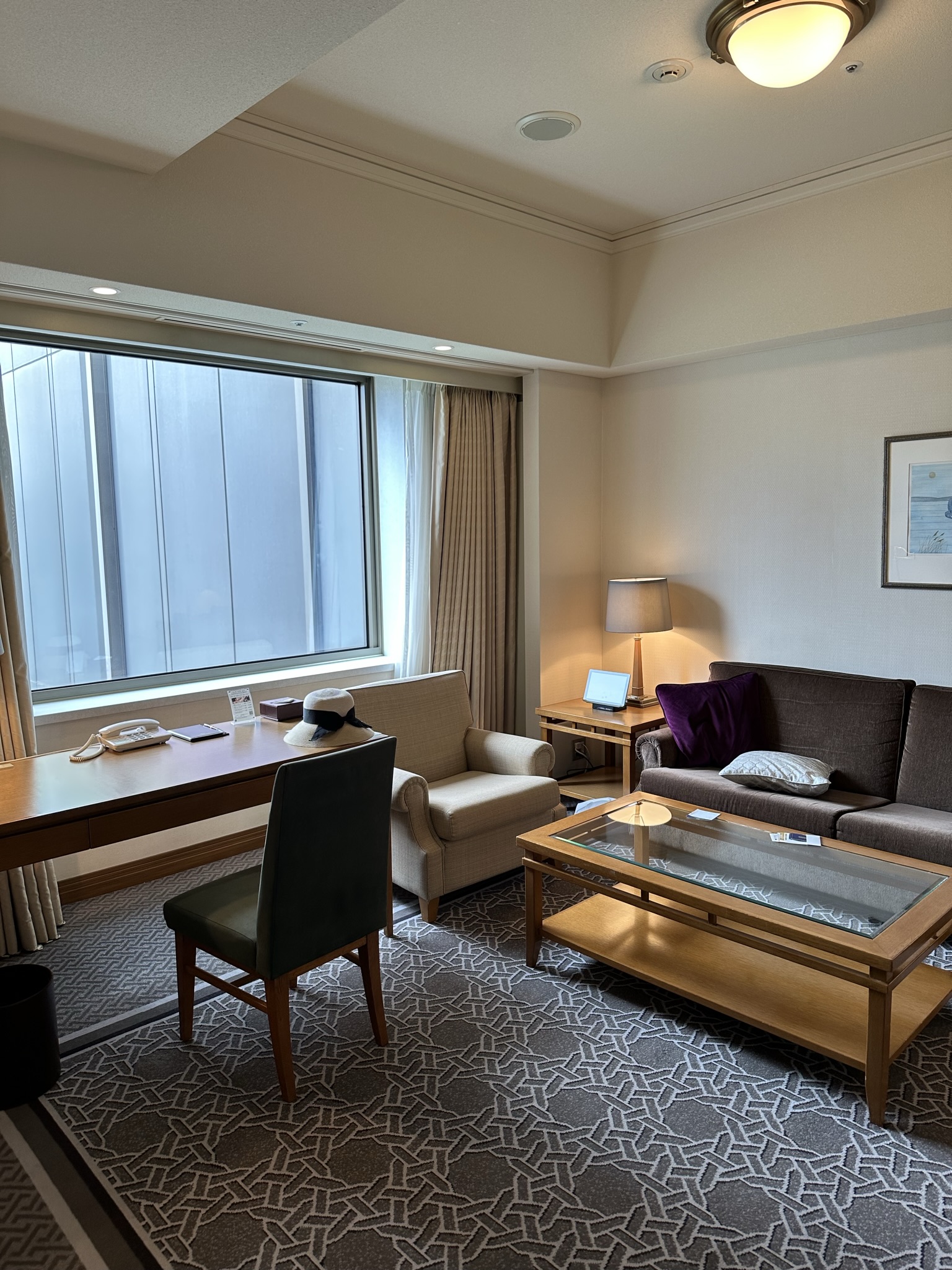
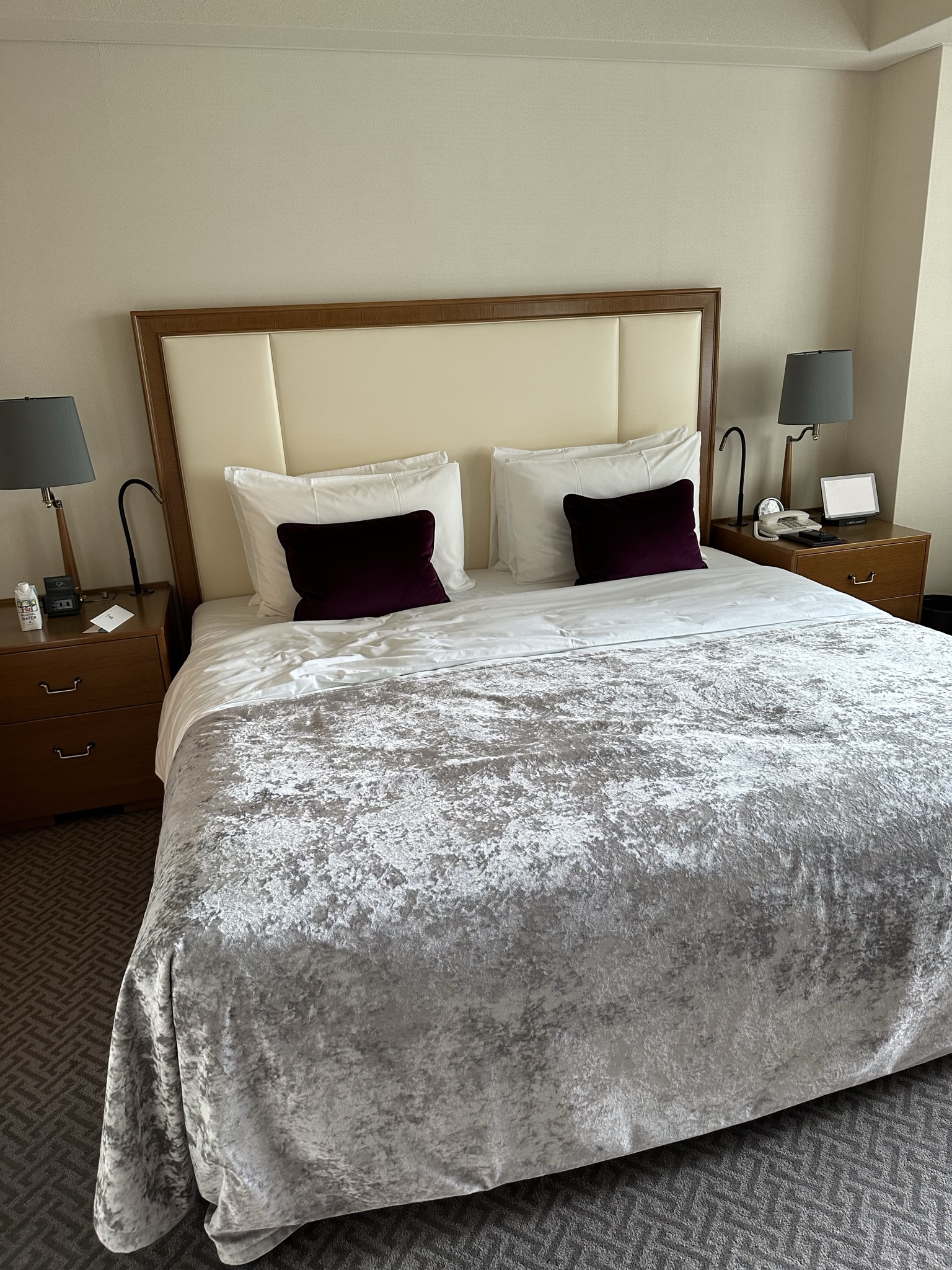

The original Imperial Hotel opened in 1890 on the northeast corner of what is now the hotel property. The hotel faced roughly north with part s of the Imperial Palace moats (no longer extant) across the streets on the north and east sides of the building.
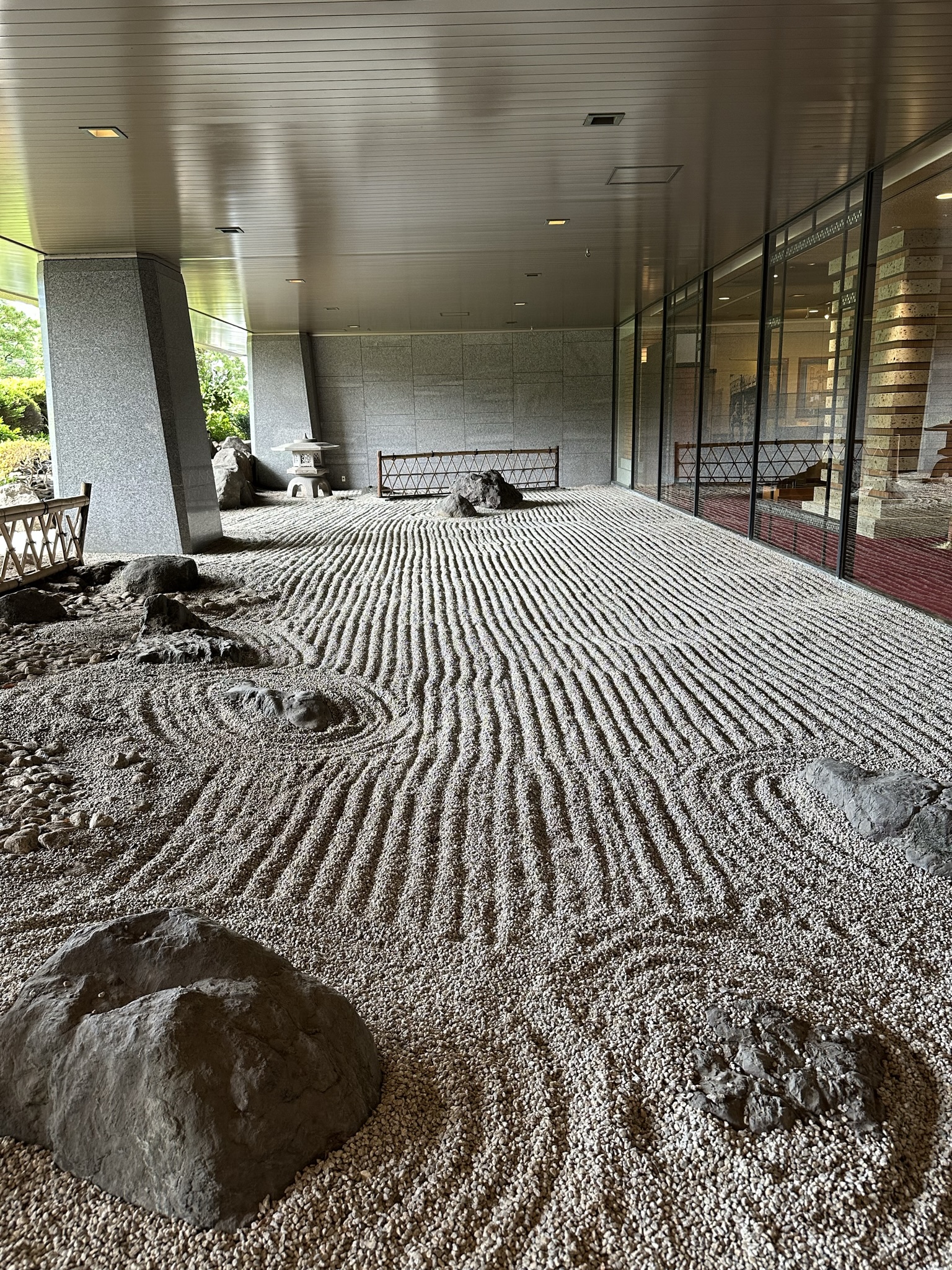
The hotel was backed by key Japanese leaders such as the foreign minister count Inoue Kaoru and Viscount Shibusawa Eichi. These two men submitted an application to form the Tokyo Hotel Co. in November 1887, in order to “build a large hotel in Tokyo to conduct the business of renting room to foreign guests, and for parties and other events…” The structure famously survived the Great Kanto earthquake on September 1st 1923 (7.9 on the Moment magnitude scale). While it survived, the building had been damaged with the central section slumped, severeal floors bulged, and four pieces of stonework that had fallen to the ground.


One of the versions of the htel was famously designed by Frank Lloyd Wright in the Mayan Revival style of architecture. It incorporated tall, pyramid-like structures and loosely copied Mayan motifs in its decorations. In 1936, as Japan was preparing for the 1940s Summer Olympics in Tokyo, there was serious talk of replacing Wright’s Imperial Hotel with a building more suited to the needs of the time. With only 280 rooms, the hotel was no longer financially viable. World War II intervened to cancel the Olympics and save the hotel temporarily from a wrecking ball, though this was temporary as its South wing was gutted by explosions in the May of 1945. The hotel asked Wright to come back and design the repairs to the hotel however Wright refused perhaps due to the tense political climate of the times.
While most of Wright’s building was destroyed, the iconic central lobby wing and the reflecting pool were dissasembled and rebuilt. Because the building structure was brick and concrete and could not be disassembled, as much of the oya stone as possible, tiles, and other finishing materials were preserved.
The current version of this historic hotel is the fourth incarnation. I highly recommend a stay at this historic landmark if possible. The feeling of being in the lounge while soft jazz plays on the piano and the smell of florals fill the lobby is so peaceful and a great way to end a Tokyo evening.
Studio Ghibli Museum:
If you, like me and millions of others, are fans of the Ghibli Studio and work I think you would find a trip to the museum most delightful. It’s located in a quiet neighborhood of Tokyo. Tickets are reserved in advance and by reservation only.
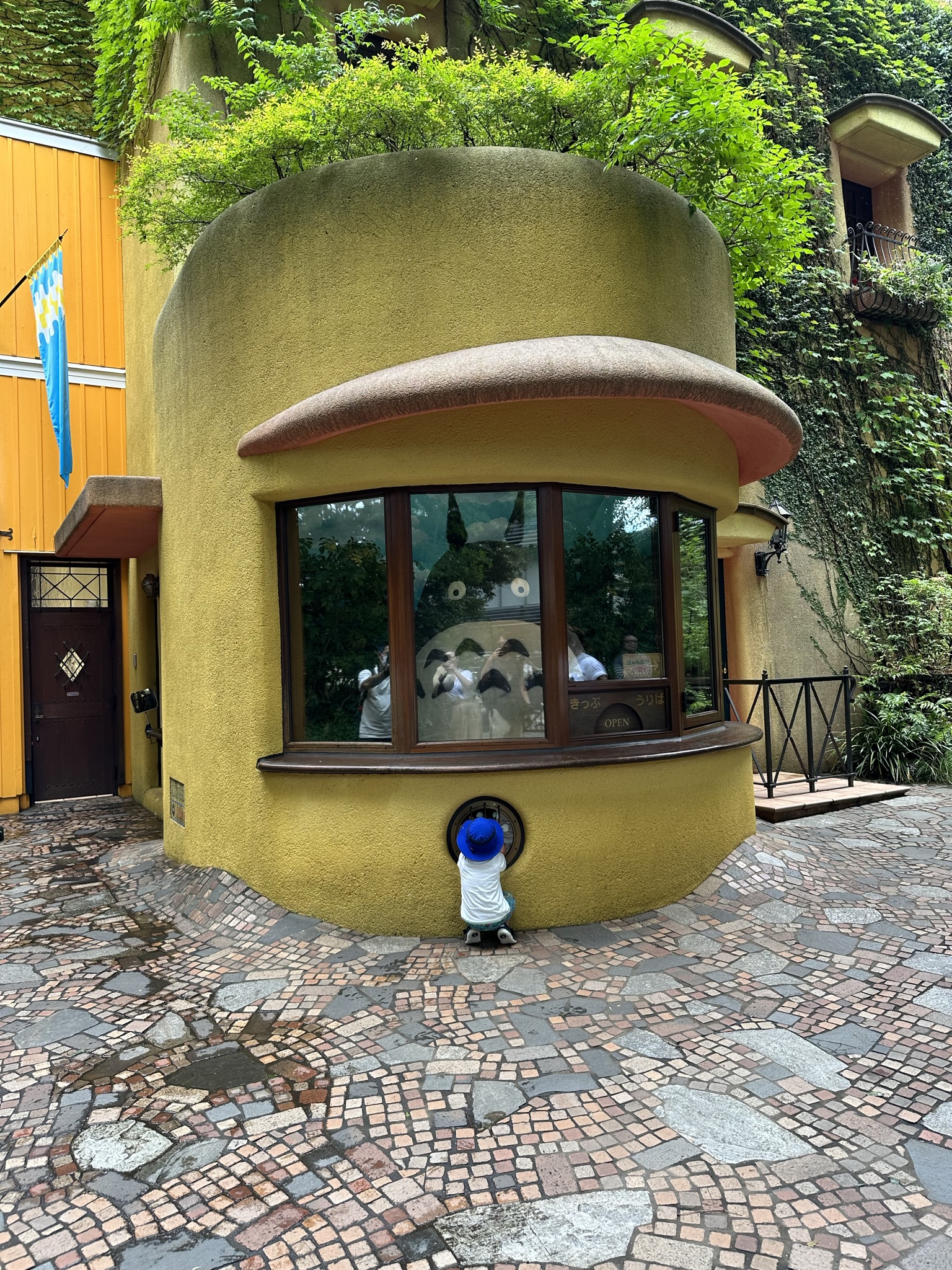
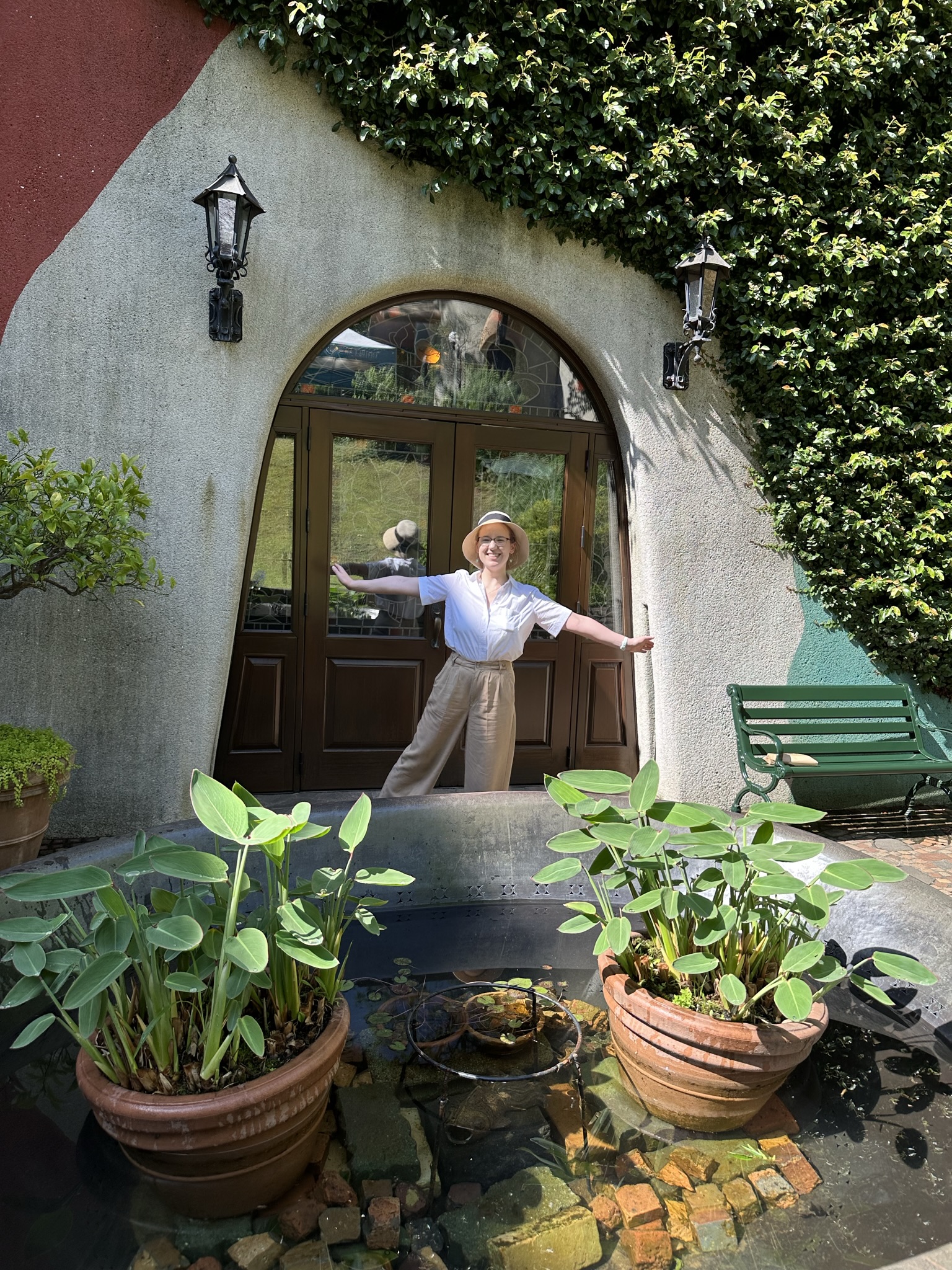
In the museum you can enjoy seeing some of your favorite characters from various films as well as different models demonstrating the making of the artwork that comes into producing some of the most infmaous films. There is a variety of original short films shown in the “Saturn Theater.” A variety of different exhibitions are portrayed throughout the year.
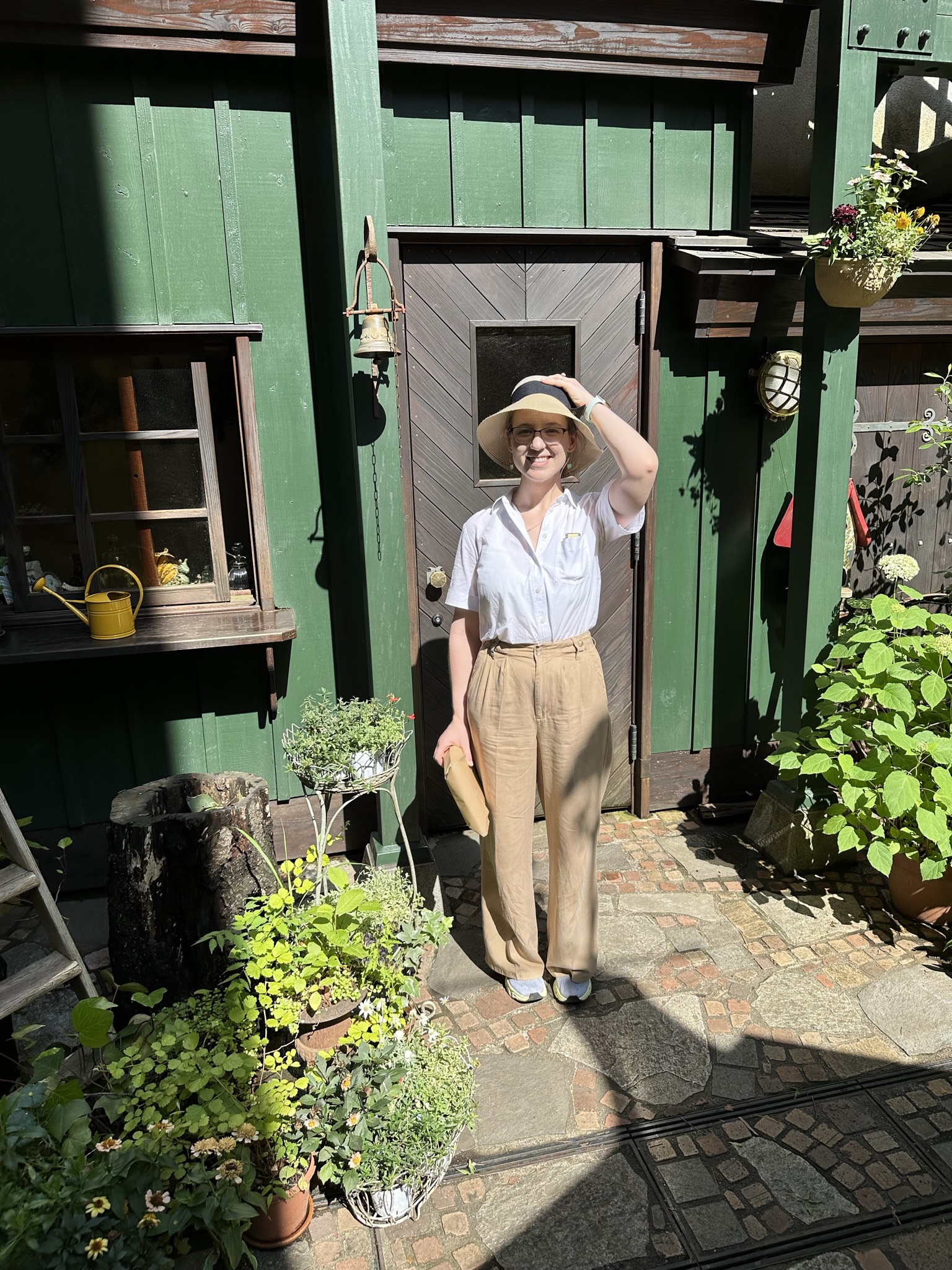
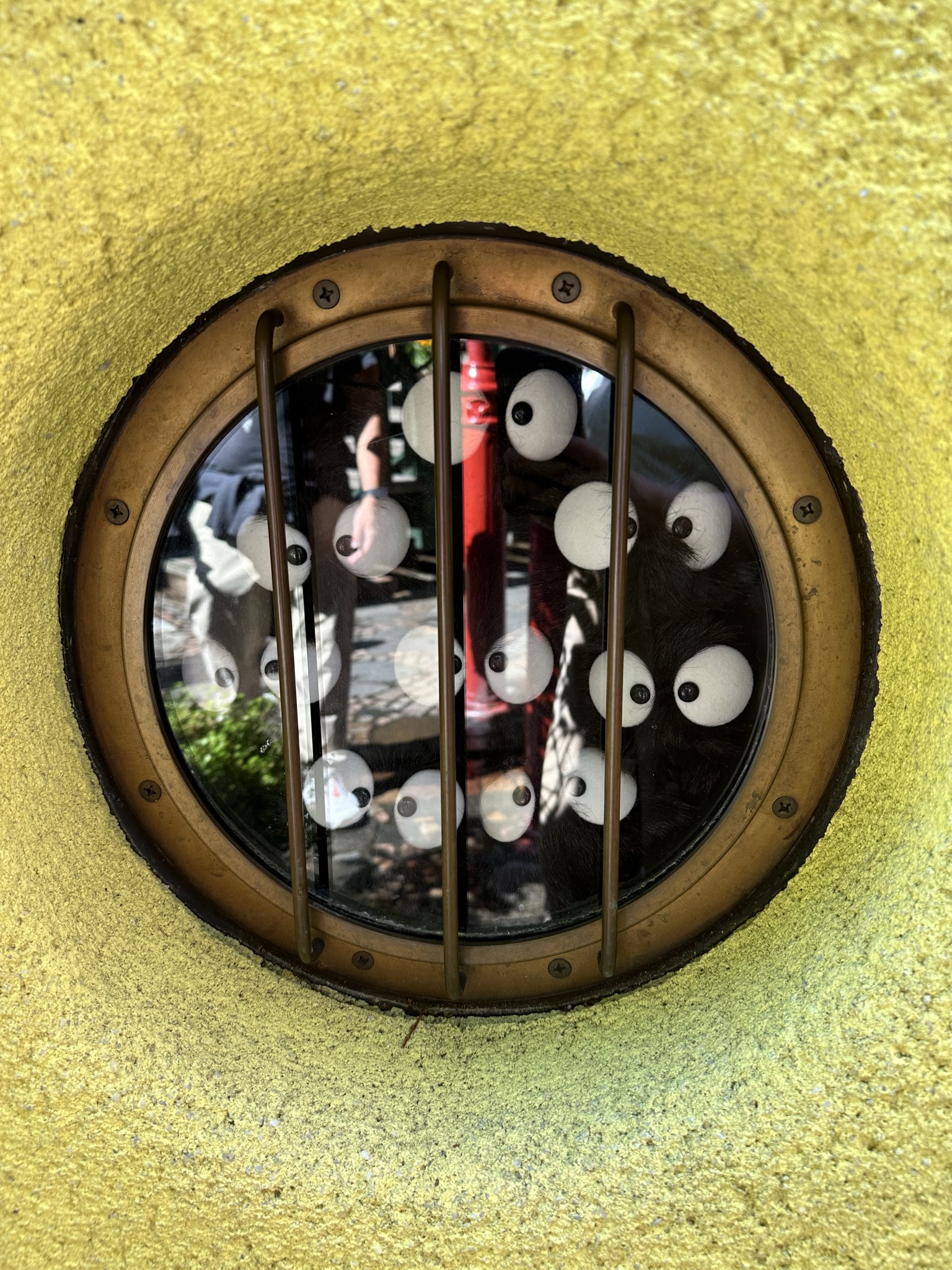
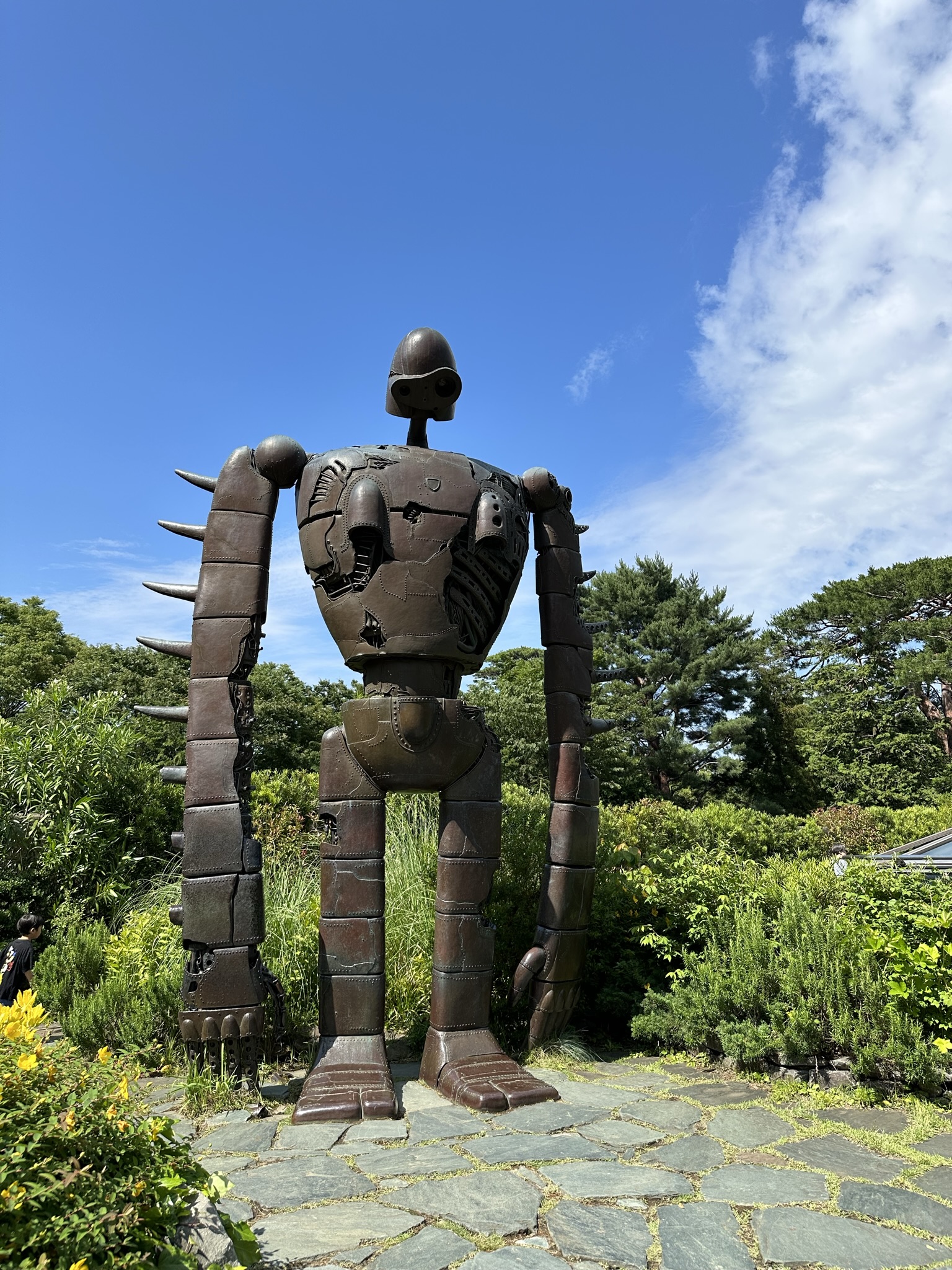
The museum has a lovely outdoor and indoor area and it makes for a lovely afternoon activity.
I can’t wait to make a part 3 regarding our trip! Thank you so much for reading and I hope this helps plan your own trip to Tokyo!